
Why Your Dishwasher Isn’t Drying Dishes
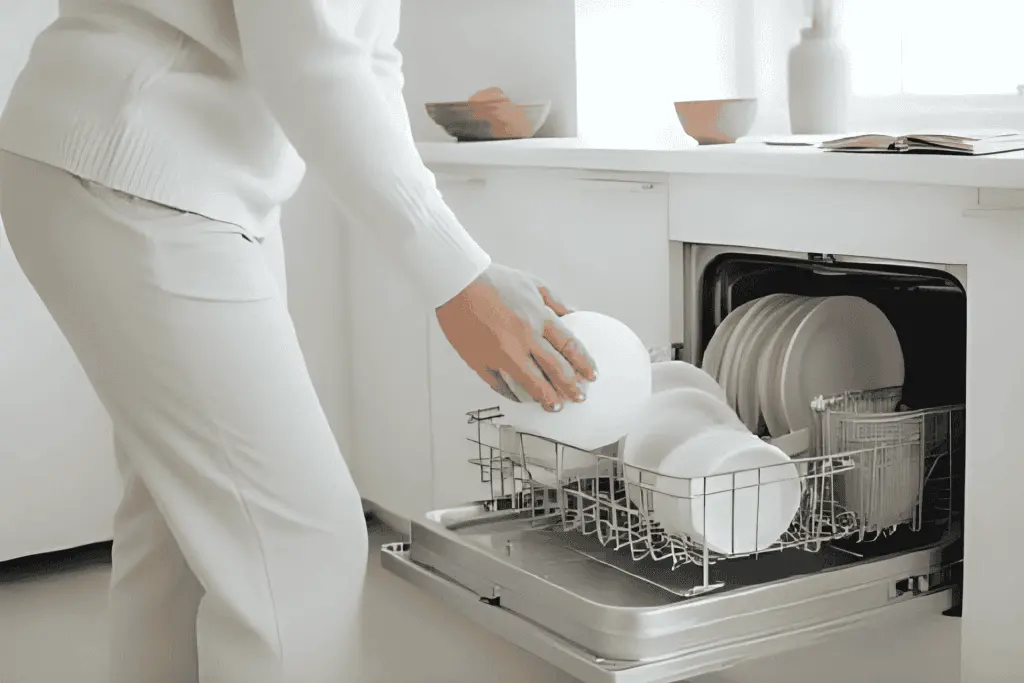
Dishwasher not drying is a common complaint, and the cause is often something small, even when the machine cleans well. Before assuming a broken part, it helps to know how your machine dries, because the method decides what can go wrong. The same symptom, a dishwasher not drying, points to different parts on different machines.
Table of Contents
How dishwashers dry
There are three main systems. Many machines have a heating element in the bottom of the tub that warms the air during the dry phase. Some models skip the exposed element and rely on a hot final rinse, so the dishes are hot enough to dry themselves. Others add a fan that pulls moist air out of the tub. Plastic items dry poorly in all of them because plastic does not hold heat the way glass and ceramic do. If only your plastic containers stay wet, nothing is wrong.
Dishwasher not drying: check these first, in this order
- Rinse aid. Open the dispenser. If it is empty, refill it. Rinse aid makes water sheet off the dishes instead of forming beads, and an empty reservoir is the most common reason for wet dishes.
- Dry setting. Many machines have a heated dry or extended dry option that is off by default or got switched off to save energy. Check the panel.
- Loading. Cups and bowls that face upward collect water. Tilt them so it runs off, and keep items from nesting.
- Hot water. Run the kitchen tap until it is hot before you start. A cold start means a cooler final rinse and weak drying.
- Do not open the door early. Cracking the door to let steam out can leave more water on the dishes.
If rinse aid and settings are fine, move to parts.
Parts that stop drying
Heating element
If your dishwasher has a visible element in the bottom, a failed one is a classic reason for a dishwasher not drying: there is no heat in the dry phase and often a lukewarm tub at the end of the cycle. After a normal cycle, a working element makes the interior noticeably hot to the touch. Testing the element needs a meter and the power off, and the element connects to household voltage, so it is a technician job. Do not try to run the machine with the element removed.
High limit thermostat or thermal fuse
These are safety parts. If one has opened, the element stops heating. The part itself is cheap, but the reason it opened matters. Never bypass a safety thermostat to get heat back, because the part exists to stop the tub from overheating.
Vent or fan
On models with a vent, a stuck vent flap or a failed fan motor leaves the moist air in the tub. You may notice more steam and condensation on the counter above the machine.
Control board or timer
Occasionally the board never sends power to the dry phase. We check the element and thermostat first, because those fail far more often than the board.
A test you can do
Run a normal cycle, and about ten minutes before the end, open the door briefly with a dry towel in hand. If the dishes and tub are hot and steaming, the heat is working, so a dishwasher not drying is probably a rinse aid or loading problem. If everything is merely warm or cool, the heat source is not doing its job. Open the door only for a moment and do not touch the element or any bare metal until it has cooled.
What makes repair cost vary
For a dishwasher not drying, the main cost driver is which part failed and how hard it is to reach. An element on a built-in unit often means pulling the dishwasher from under the counter, which takes more time than a rinse aid refill or a thermostat swap. We give the likely repair after the visit, before any work begins.
When to call
A dishwasher not drying after every check above deserves a call, especially if the tub never gets warm after a full cycle, if you smell something hot or see melted plastic near the element, or if the breaker trips. If you are also seeing other symptoms, see our dishwasher troubleshooting guide, and for routine care that prevents film and odors, read dishwasher maintenance tips. KitchenAid’s help page on cleaning the dishwasher interior covers the filter and film routine in more detail. Our dishwasher repair page lists what we cover around Sacramento. You can book at /book/ or call (916) 582-7791.

Common questions
Why are only my plastic dishes wet?
Plastic holds less heat than glass or ceramic, so water stays on it. This is normal. Put plastics on the top rack and towel them dry if needed.
Does rinse aid really make a difference?
Yes. It lowers water surface tension so droplets run off dishes. An empty rinse aid reservoir is the most common reason for wet dishes.
Can I replace the heating element myself?
The element connects to household voltage and is under the tub, so we advise a technician. If you do any work, turn off the breaker first.
Is a dishwasher that does not dry worth repairing?
Often yes, since drying faults tend to be a single part such as the element or thermostat. Age and condition of the rest of the machine matter more than this one fault.
Related guides
Dishwasher Installation: What to Check Before Delivery Day
Measure the opening, check the water, drain and power connections, and know what to ask before your new dishwasher arrives.

Dishwasher Troubleshooting: What to Check Before You Call
A decision order for the common dishwasher problems: won't start, won't drain, dishes not clean, leaks. What is safe to check and when to…
Dishwasher Maintenance: Odors, Film and Making It Last
Clean the filter, spray arms and drain, and use hot water. A simple routine that stops odors and early dishwasher failures.