How to Choose the Right Oven for Your Kitchen
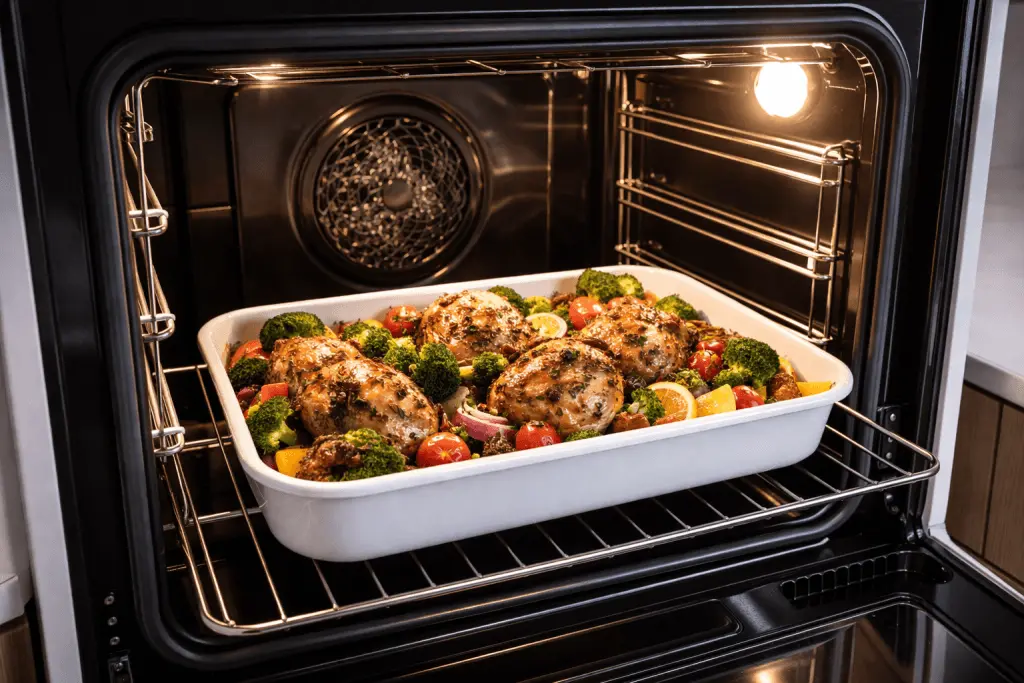
To choose the right oven, start with what your kitchen can support, not with features. The cutout, the power or gas supply and your cooking habits settle most of the decision. This guide is for homes around Sacramento, where many kitchens have a mix of older and updated layouts.
Table of Contents
Choose the right oven by starting with what you have
Look at the wall and cabinets around the current oven:
- A 240-volt outlet or junction box means electric.
- A gas shutoff valve means gas is available. Some ranges are dual-fuel, with a gas cooktop and an electric oven.
- A cutout in cabinets means a wall oven. A free space between counters means a range.
Switching fuel types means an electrician or a gas professional, so factor that into your plans.
Range or wall oven
A range combines an oven and a cooktop in one unit. It is the simplest to replace, since it uses the existing space. A wall oven sits at a comfortable height, often in a double stack, and a separate cooktop goes in the counter. Wall ovens cost more to install and the cutout is fixed, so you need an oven whose published dimensions match it. Replacing a wall oven with a different brand often means checking the cutout width, height and depth against the new spec sheet, and trim kits may be needed.
Gas or electric
| Point | Gas | Electric |
|---|---|---|
| Heat feel | Moist heat, quick response on the cooktop | Dry, steady oven heat |
| Needs | Gas supply, outlet for igniters | 240-volt circuit |
| Cooktop control | Visible flame, easy to adjust | Radiant or induction |
| Wall ovens | Less common | Most common |
When you choose the right oven for baking, many people find electric ovens more even. For stovetop cooking, many prefer gas for control. Induction cooktops heat the pan directly and need magnetic cookware, and they use a 240-volt supply. If you lean electric, the U.S. Department of Energy’s home upgrades page says an ENERGY STAR-certified electric stove or oven may qualify for a state-run rebate.
Standard or convection
A convection oven has a fan that moves the air. It cooks faster and more evenly, and works well for roasting and baking on several racks. Some models have a third heating element around the fan, often called true or European convection. To choose the right oven here, ask how often you bake: convection is a good feature if you bake a lot, and a standard oven is fine if you do not. Remember that a fan adds a part that can fail, so look at how it is accessed if it ever needs service.
Size and capacity
To choose the right oven size, check the interior width and the rack positions as well as the stated capacity. A 30-inch range may have less usable width than you expect. If you cook large turkeys or sheet pans, check that a half-sheet pan fits with the door closed. Double ovens give two temperatures at once, but each cavity is smaller.
Features worth checking
- Self-clean or steam clean. Self-clean runs very hot. Steam clean is gentler and shorter. Neither replaces wiping spills.
- Controls. Knobs are simple to use and repair. Touch controls look clean but depend on a board.
- Racks. Telescoping racks are easier to use but add wear.
- Probe or sensor. A meat probe helps with roasts.
- Wi-fi and apps. Optional, and useful mostly for preheating from afar.
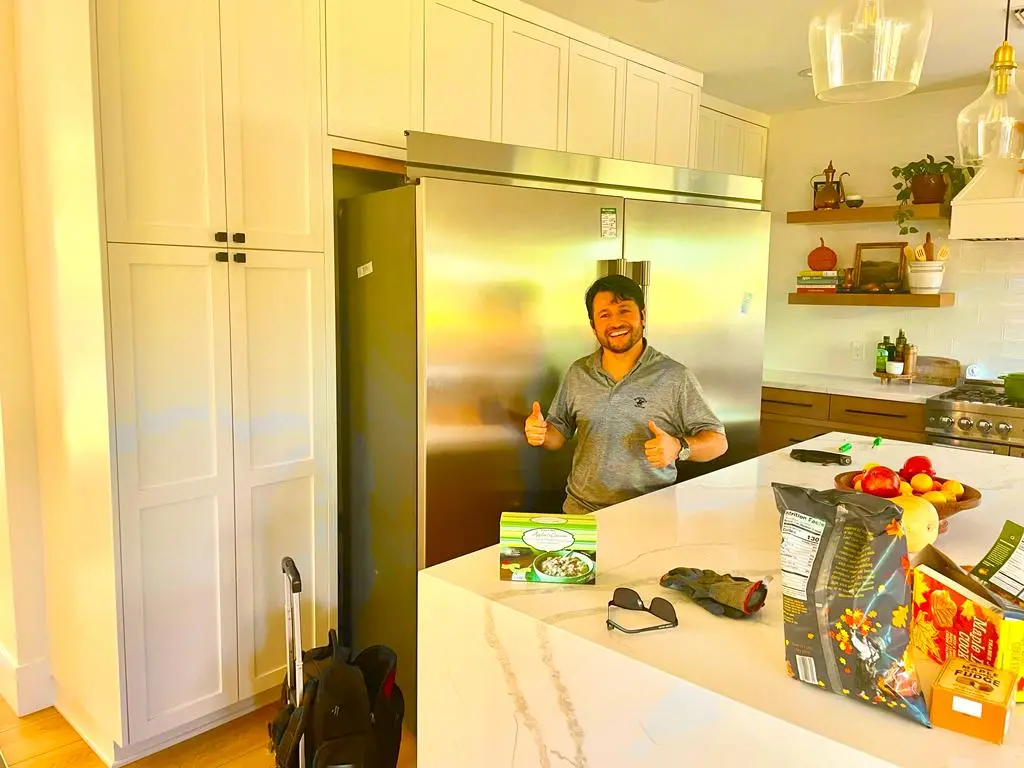
Check the installation before you buy
Once you think you can choose the right oven, ask the seller for the installation sheet and compare it to your space: cutout, depth, clearance above the cooktop, and electrical or gas needs. Our guide to oven and range installation lists what to confirm. If you are replacing because the old one is failing, read common oven problems to see whether a repair would do the job.
Repairability
To choose the right oven for the long run, ask which parts are likely to need replacement and how they are reached. Simpler designs with fewer sensors tend to be easier to repair later. A repair person can tell you which models around Sacramento are common to service, but we do not give a ranking of brands, and we are independent, not affiliated with any manufacturer.
Our appliance installation service can put the new oven in once you have chosen it, and our oven repair service is there afterward. To book, use /book/ or call (916) 582-7791.
Common questions
Is a convection oven worth it?
If you bake or roast often, the faster and more even cooking is useful. If you mostly reheat food, a standard oven is fine.
Can I replace a wall oven with a different size?
Only if the cutout matches the new oven's dimensions or trim kits make up the difference. Check width, height and depth on the spec sheet.
Can I switch from gas to electric?
Only if a suitable 240-volt circuit is available or installed, and that requires an electrician. The gas line should be capped by a qualified professional.
Is self-clean safe for my oven?
It is designed for it, but it runs very hot and can trip a fuse on older ovens. Remove racks and loose food first and ventilate the room.
Related guides
Appliance Disposal in Sacramento: Your Options for Getting Rid of an Old Unit
Retailer haul-away, city and utility programs, scrap yards and refrigerant rules: how to dispose of an old appliance in the Sacramento area.
Microwave Not Heating: Fuse, Door Switch and Parts
When a microwave runs but does not heat, the cause is usually a fuse, door switch or high-voltage part. Here is what to check…
Oven and Range Cooking Unevenly: Causes and Fixes
Hot spots, one side browning faster, or burnt bottoms: the usual causes of uneven oven heating and what to check first.