
Dryer maintenance checklist: what to do each load, month and year
Dryer maintenance comes down to keeping air moving through a simple machine that works hard, and most problems never begin if you do. This checklist is sorted by how often each job needs doing. For the fire-safety side, the National Fire Protection Association publishes dryer safety tips.
Every load
- Empty the lint screen. Do it before or after every load. It is the cheapest dryer maintenance there is. Roll the lint off with your fingers and check the slot below for anything that fell through.
- Check pockets. Tissues, lip balm, pens and coins end up as melted mess or loud rattling.
- Do not overload. Clothes need room to tumble so air can reach all of them.
Every month or two
- Wash the lint screen. Fabric-softener sheets leave a waxy film that you cannot see. Scrub the screen with warm water, dish soap and a soft brush. If water pools on the mesh instead of running through, the film is still there. Let it dry before putting it back.
- Vacuum the lint screen slot. Use a narrow attachment, or a long flexible lint brush made for dryers, to clear the housing where the screen sits.
- Wipe the drum. Dye or dried-on residue can transfer to light-coloured clothes. A damp cloth with a mild cleaner is enough, and dry it afterwards.
- Check the outside vent flap. With the dryer running, look at the hood outdoors. The flap should open wide, and close when the dryer stops. If it flaps weakly, the duct is restricted.
Every six to twelve months
- Clean the exhaust duct. Switch off and unplug the dryer, then pull it out gently. For a gas dryer, do not disturb the gas connection, and ask a technician to move it if you are not sure how to do it safely. Disconnect the duct clamp at the back, clean the duct with a vent brush kit, and clean the outside hood. A leaf blower at the outside end helps loosen lint. Reconnect with a metal clamp, not screws that would catch lint, and do not use tape to hold joints.
- Replace damaged duct. Vinyl or foil accordion duct sags, tears and traps lint. Use rigid or semi-rigid metal duct, as short and straight as the layout allows.
- Vacuum behind and under the dryer. Lint collects there.
- Clean the moisture sensor bars. Most dryers have two metal strips inside the drum, near the door, that sense how damp the clothes are. A coating of softener residue makes them misjudge and stop early or run too long. Wipe them with a cloth and a little rubbing alcohol. Sensor cleaning is easy to forget in dryer maintenance.
Seasonal dryer maintenance
Use the change of season, such as before winter, as a reminder to do the six-to-twelve month dryer maintenance. A dryer that has been taking longer than normal usually shows its problem by then. See signs your dryer needs repair if drying times have grown.
Things that signal a problem during maintenance
- Lint inside the dryer cabinet or around the heating area, not just in the duct. That means lint is getting past the filter, perhaps through a gap or a torn screen.
- A very thick layer of lint in the duct, which means airflow has been poor for a while.
- A burning smell with a clean vent.
- Loud squealing, thumping or scraping while the drum runs. See dryer drum repair for what noises and a stuck drum can mean.
What to leave to a technician
Some dryer maintenance belongs to a technician. Worn drum rollers, idler pulleys, belts, drum seals, heating elements and thermal fuses all sit behind panels with live parts and, on gas dryers, near the burner. Replace them with the machine unplugged, which means turned off at the outlet, and for gas dryers the technician handles the burner and gas connection. When a heating part fails, there is often a cause such as a clogged vent that needs correcting at the same time. Never bypass a thermal fuse or thermostat. For more on why dryers overheat, see dryer overheating and fire prevention.
Small habits that help
- Run the dryer with the laundry room door open, or with an air supply, so it is not pulling from a sealed closet.
- Do not dry items stained with oil, gasoline or solvents. Wash them first, or let them air dry.
- Do not leave the dryer running when you are out.
- Check that the dryer is level, so the drum turns smoothly.
Our dryer repair page lists what we handle if your dryer maintenance turns something up.
If you would rather have a technician look at it, book at /book/ or call (916) 582-7791 and ask for the next available window. The service call is $80, paid at your home or with PayPal or a credit card.
Common questions
How often should I clean my dryer vent?
At least once a year. If drying takes longer than it used to, the duct run is long, or you do large loads often, clean it more often.
Why wash the lint screen with soap and water?
Fabric softener sheets leave a film on the mesh that blocks airflow even when the screen looks clean. A wash with dish soap and a soft brush clears it.
What are the metal strips inside my dryer drum?
They are moisture sensor bars. If they get coated with residue, the dryer can stop early or run too long. Wipe them with rubbing alcohol on a cloth.
Can I vent my dryer into the garage?
No. Dryers should vent outdoors, because they release moisture and lint, and a gas dryer also releases combustion gases.
Related guides
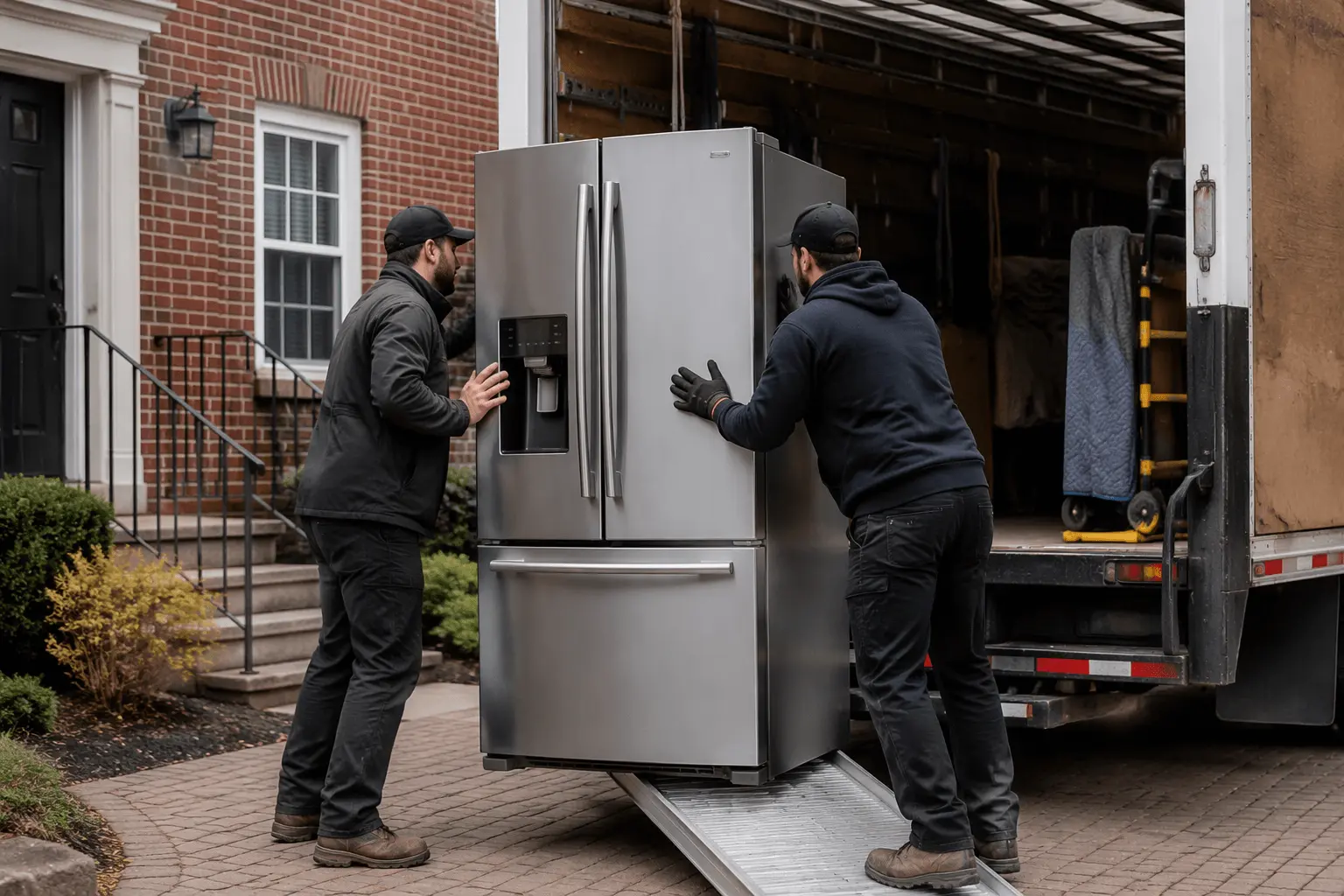
Appliance Disposal in Sacramento: Your Options for Getting Rid of an Old Unit
Retailer haul-away, city and utility programs, scrap yards and refrigerant rules: how to dispose of an old appliance in the Sacramento area.
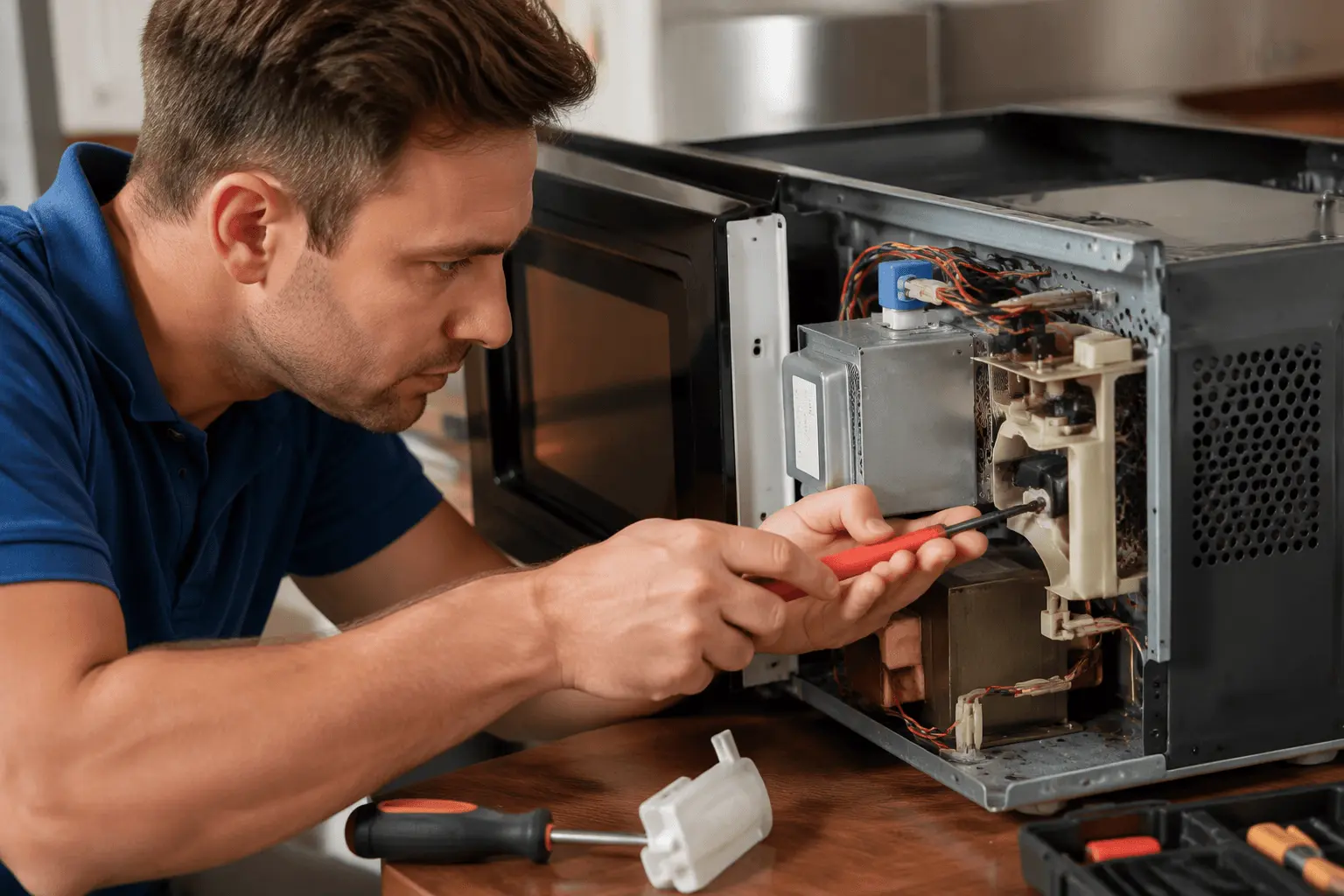
Microwave Not Heating: Fuse, Door Switch and Parts
When a microwave runs but does not heat, the cause is usually a fuse, door switch or high-voltage part. Here is what to check…

Oven and Range Cooking Unevenly: Causes and Fixes
Hot spots, one side browning faster, or burnt bottoms: the usual causes of uneven oven heating and what to check first.