
Ice Maker Maintenance: Cleaning and Care
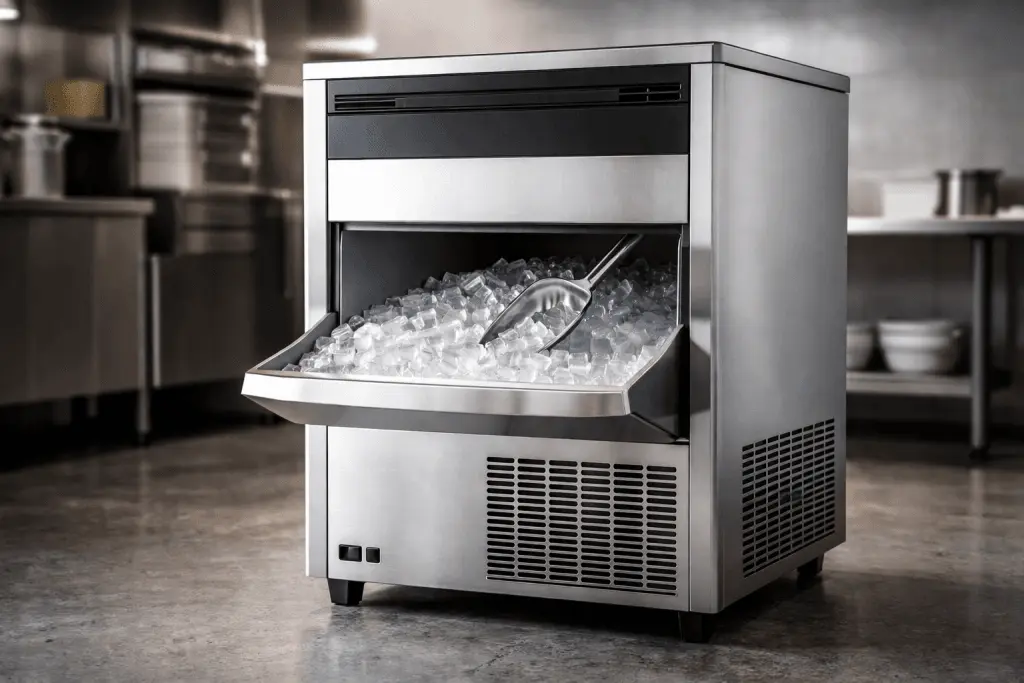
Ice maker maintenance is simple work, because ice picks up what is in the freezer and the machine does not clean itself. A little regular attention keeps the ice tasting right, the cubes full-sized and the machine from jamming. This is the routine we would suggest to a neighbour.
Table of Contents
Every few months: empty and wash the bin
- Turn the ice maker off using its switch or by raising the arm.
- Remove the bin and throw out the old ice, which often has a stale taste.
- Wash the bin in warm water with mild dish soap, rinse well and dry.
- Wipe the inside of the ice compartment with a damp cloth. Do not spray cleaners near the electrical parts or the mold.
- Put the bin back, switch the ice maker on and discard the first batch.
If the cubes taste of food, the issue is usually stored food odors. Keep open packages sealed in the freezer, and use a small open box of baking soda in the fridge to cut smells.
Replace the water filter on schedule
Most fridge filters are meant to be changed about every six months, but check your manual. A clogged filter is one of the most common reasons an ice maker produces small, thin cubes or none at all, so this step of ice maker maintenance matters for more than taste. Use the correct part number, seat it fully until it locks, and flush it by running water through as the instructions say.
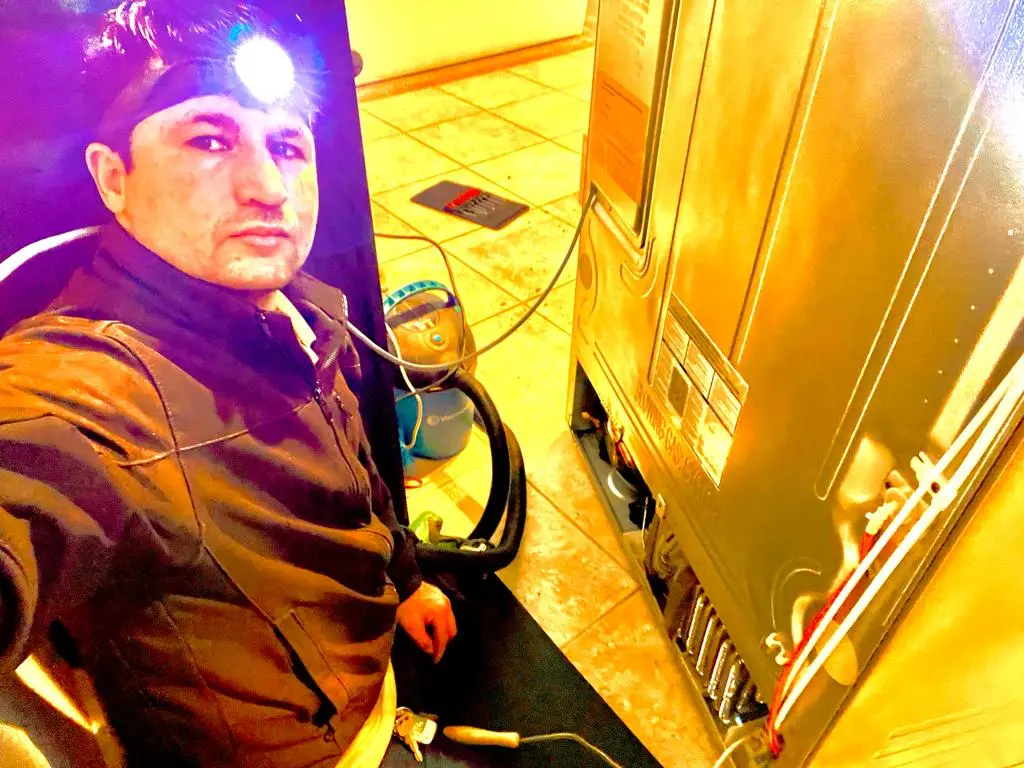
Descale if you have hard water
Descaling is the part of ice maker maintenance that depends on your water. Mineral scale can build up in the mold and the valve screen. If the cubes are cloudy or the tray has a white crust, a mild vinegar and water solution on a cloth for the visible parts helps. Do not pour vinegar into the water line or use bleach in the system. For built-in under-counter ice makers, the manufacturer’s cleaning procedure and cleaner should be followed exactly, since each uses a particular cycle.
Check the water line once or twice a year
- Pull the fridge out and look at the supply tube for kinks, cracks or a damp fitting.
- Check the shutoff valve opens fully.
- Replace brittle plastic tubing before it fails. Leaks from these lines are covered in refrigerator leaking water.

Keep the freezer at the right temperature
Good ice maker maintenance includes the freezer around it, which should sit near 0°F. If it runs warmer, cubes will melt and refreeze into clumps. A weak door seal also lets humid air in, and frost can form around the ice maker. Wipe the gaskets and test them with the paper strip method. The same advice for coils and seals is in refrigerator maintenance.
Use the ice
An ice maker that sits idle makes stale ice, and the bin gets old cubes stuck to each other. If you rarely use it, empty the bin occasionally. If you are going away for a few weeks, turn the ice maker off and empty the bin.

Warning signs to act on early
- Ice that is smaller each month: filter or water supply.
- Clumped cubes: temperature swings or infrequent use.
- A grinding noise: a cube jammed in the ejector, or a motor on its way out. Check our appliance noise guide.
- Water on the floor: shut off the supply and look at the line and valve.
- No ice at all: see ice maker not working.
A simple ice maker maintenance schedule
- Monthly: look at the ice quality and discard old ice if it sits.
- Every 3 to 4 months: wash the bin.
- Every 6 months: change the filter (or per the manual).
- Yearly: check the line and valve, and clean the coils.
When ice maker maintenance is not enough and a valve, module or line needs repair, see our ice maker repair page. See also the U.S. Department of Energy’s Guide to Kitchen Appliances.
If you would rather have it looked at, book at /book/ or call (916) 582-7791 and ask for the next available window. The service call is $80, paid at your home or with PayPal or a credit card.
Common questions
How often should I clean my ice maker?
Wash the bin every few months and change the filter about every six months, or as the manual says.
Why does my ice taste bad?
Usually old ice, stored food odors, or a filter past its change date. Empty and wash the bin and replace the filter.
Can I use bleach to clean an ice maker?
Not in the water system. Use mild dish soap on removable parts and follow the manufacturer's instructions for any cleaner.
Should I turn the ice maker off when I am away?
For a few weeks or more, yes. Empty the bin so the ice does not clump or go stale.
Related guides
Appliance Disposal in Sacramento: Your Options for Getting Rid of an Old Unit
Retailer haul-away, city and utility programs, scrap yards and refrigerant rules: how to dispose of an old appliance in the Sacramento area.
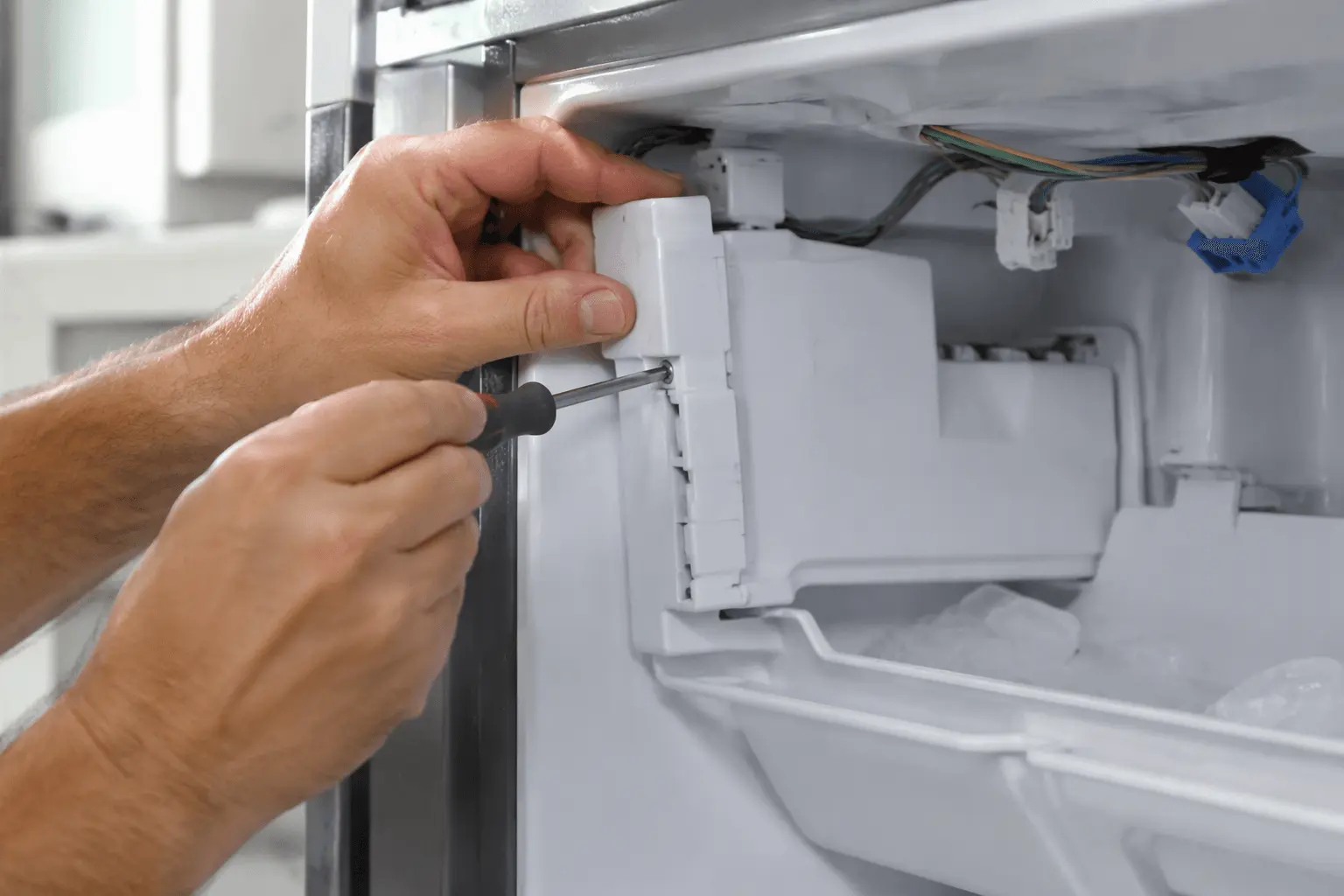
Ice Maker Not Working: Checks and Fixes
What to check when a refrigerator ice maker stops making ice: temperature, water supply, filter, fill tube, then the parts that need a technician.
Microwave Not Heating: Fuse, Door Switch and Parts
When a microwave runs but does not heat, the cause is usually a fuse, door switch or high-voltage part. Here is what to check…