
Strange Appliance Noises: What They Mean and What to Check
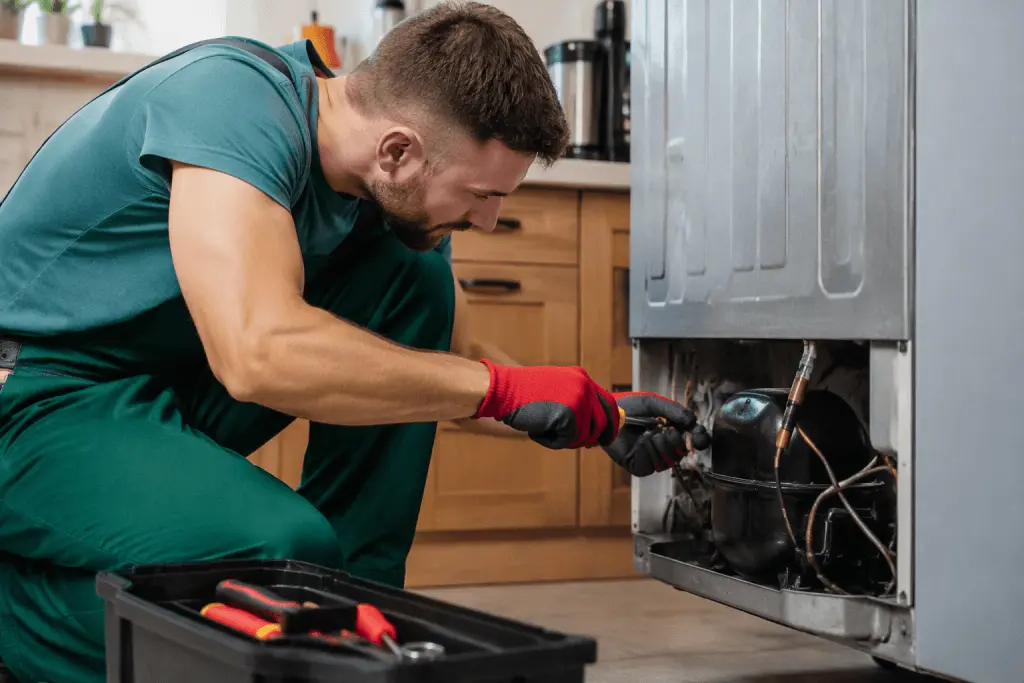
Strange appliance noises are the cheapest warning an appliance gives you. The sound tells you roughly where to look, and acting early often means replacing a small part instead of a large one. This guide to strange appliance noises goes appliance by appliance. For each, we give the likely cause and a safe first check. Unplug the appliance, or switch off its breaker, before you reach inside or behind it.
Table of Contents
How to describe strange appliance noises
Before anything else, note four things. They help you, and they help a technician.
- What kind of sound: grinding, squealing, rattling, clicking, humming, buzzing, banging.
- When it happens: only in one cycle phase, only at start-up, or all the time.
- Where it comes from: front, back, bottom, inside.
- Whether anything else changed: warm food, damp clothes, a burning smell, a leak.
Refrigerator and freezer
- Rattling or vibrating hum: the fridge may not be level, or something is touching the wall or the drain pan. Check that it sits on all feet and nothing is touching it.
- Squealing or chirping from inside the freezer: often the evaporator fan motor. It can get noisy when the bearings wear or frost builds around it.
- Loud buzzing or fan sound from the back or bottom: the condenser fan or the compressor area. Dust on the coils makes the system work harder, so a coil cleaning is a safe first step.
- Clicking, with the compressor cycling on and off in quick succession: this can be a failing start relay, or a controller problem.
- Gurgling or trickling: normal refrigerant and defrost water sounds.
- Popping or cracking: usually plastic expanding and contracting as temperature changes. Normal.
If strange appliance noises come with warm food or a fridge that runs all the time, stop experimenting and look at refrigerator repair. Food at a safe temperature is the priority.
Washer
- Banging or thumping during the spin: an unbalanced load, or a machine not level. Redistribute the load, check that all four feet are down and firm, and remove shipping bolts if the washer is new and they were left in.
- Rattling or clicking during the drain: a coin, button or underwire in the pump. Clean the drain filter.
- Grinding or a rumbling that gets louder as the drum spins up: worn drum bearings. The drum will feel loose when you pull the bottom of it by hand. This is a larger repair.
- Squealing: a belt (on belt-driven models) or bearings.
- Loud humming and no spinning: a motor or pump issue, or a locked drum.
Washers are covered at washer repair.
Dryer
- Thumping, once per drum rotation: a worn drum support roller, a flat spot on the drum glides, or a worn belt.
- Squeal: idler pulley, belt, or roller bearing.
- Scraping or grinding: something has slipped between the drum and the cabinet, or a drum seal has worn through. Check pockets for coins and sharp items first.
- Rattling: loose objects in the drum or the vent.
- Humming but the drum does not turn: a broken belt or a failing motor.
A burning smell with any dryer noise means stop, unplug it and do not run it again. See dryer repair.
Dishwasher
- Rattling or clattering: a loose item, or a spray arm hitting a dish. Rearrange the load.
- Grinding: broken glass or a hard food particle in the pump chamber or chopper. Remove the filter and look.
- Humming but not draining or washing: a blocked pump or drain.
- Loud banging at fill: water hammer in the supply line, not usually the dishwasher.
Oven, range and microwave
- Clicking from a gas range: the igniter is sparking. If you hear it clicking and smell gas, stop, leave, and call the gas utility. A burner that clicks constantly after lighting may be wet or dirty.
- Humming or fan noise from an oven: the convection or cooling fan, or in some models a normal sound.
- Ticking while heating or cooling: metal expanding. Normal.
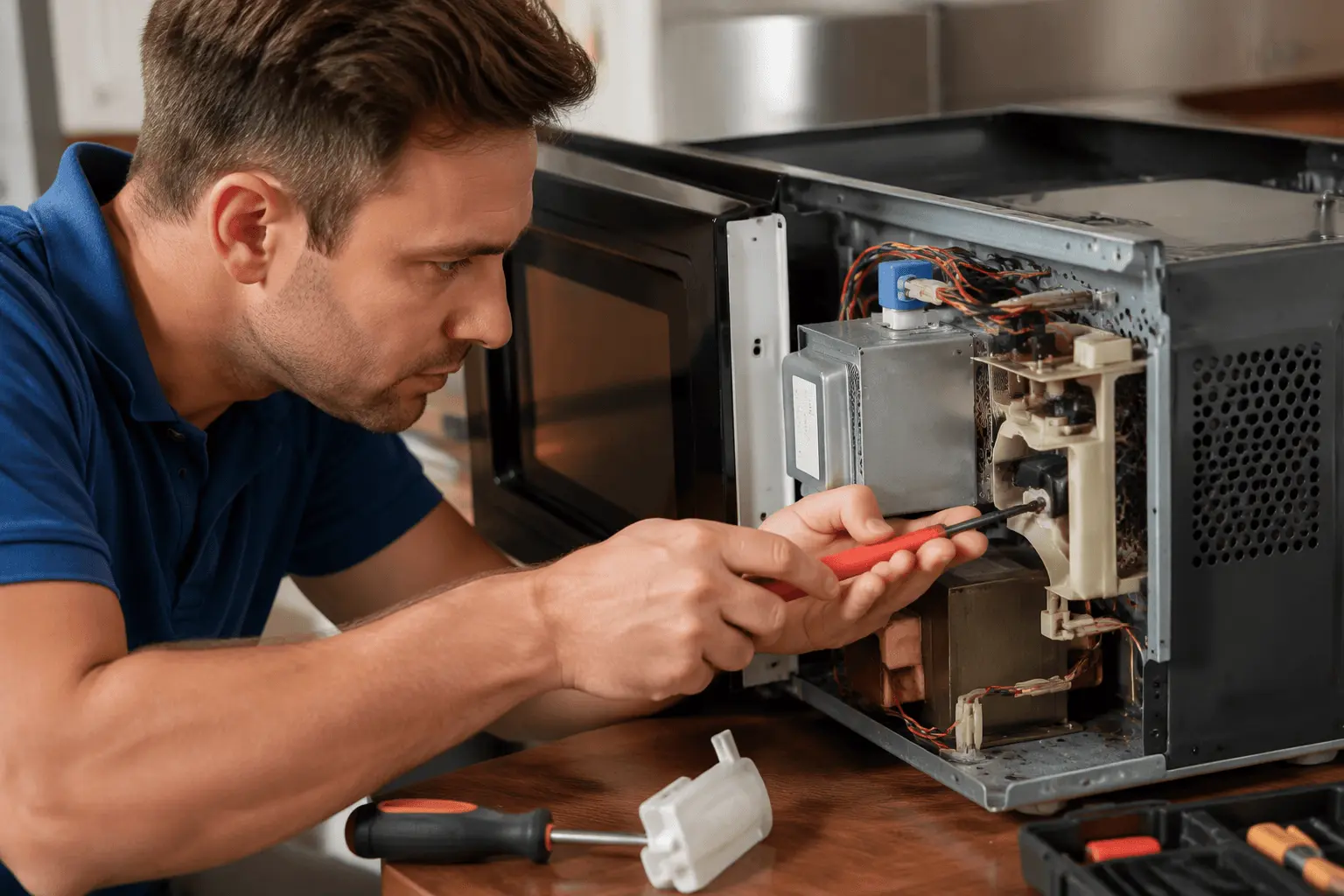
- Buzzing or humming from a microwave with no heating: a failing magnetron or high-voltage component. Do not open it. The capacitor can hold a dangerous charge even when unplugged, so this is a technician job.

Sounds that mean stop now
- Any burning, hot-electrical or melting smell.
- Sparks or visible smoke.
- A gas smell.
- Water leaking while the noise continues, especially near the wiring or the electrical connections.
- A breaker that trips every time you run it.
Switch it off at the breaker when strange appliance noises come with any of these, and if there is a gas smell, leave the house first. The U.S. Fire Administration has more on appliance and electrical fire safety. Our emergency guide explains what counts as urgent and what can wait.
Sounds that can wait a few days
Some strange appliance noises are harmless. Mild rattles that go away when the load is rebalanced, a hum that comes and goes, or ticking while heating are generally fine. A noise that is worsening, repeating or comes with a performance problem is not. A new squeal today can be a seized bearing next month.
Why not just ignore it?
Strange appliance noises from worn bearings, belts and fan motors usually get worse in one direction. A bearing that is replaced early saves the drum, the motor or the tub from damage. For how maintenance reduces some strange appliance noises, read preventive maintenance for appliances.
If you would like a technician to look at it, book at /book/ or call (916) 582-7791. We are open Monday to Friday 8 to 6 and Saturday 8 to 4, and we offer the next available window. The service call is $80, paid at your home or with PayPal or a credit card.
Common questions
Why is my washer so loud when it spins?
Usually an unbalanced load or an unlevel machine. If it grinds or rumbles even when empty and level, the drum bearings may be worn.
Is it normal for a refrigerator to make noise?
Some sounds are normal, such as gurgling, trickling and occasional popping. Squealing, loud buzzing or constant clicking are not.
Why does my dryer thump?
A rhythmic thump per rotation often comes from a worn drum roller, glide or belt. A clean, loaded-evenly drum should run smoothly.
What noises mean I should stop using an appliance?
Anything paired with a burning smell, sparks, smoke, a gas smell or a tripping breaker. Switch it off at the breaker and call for service.
Related guides
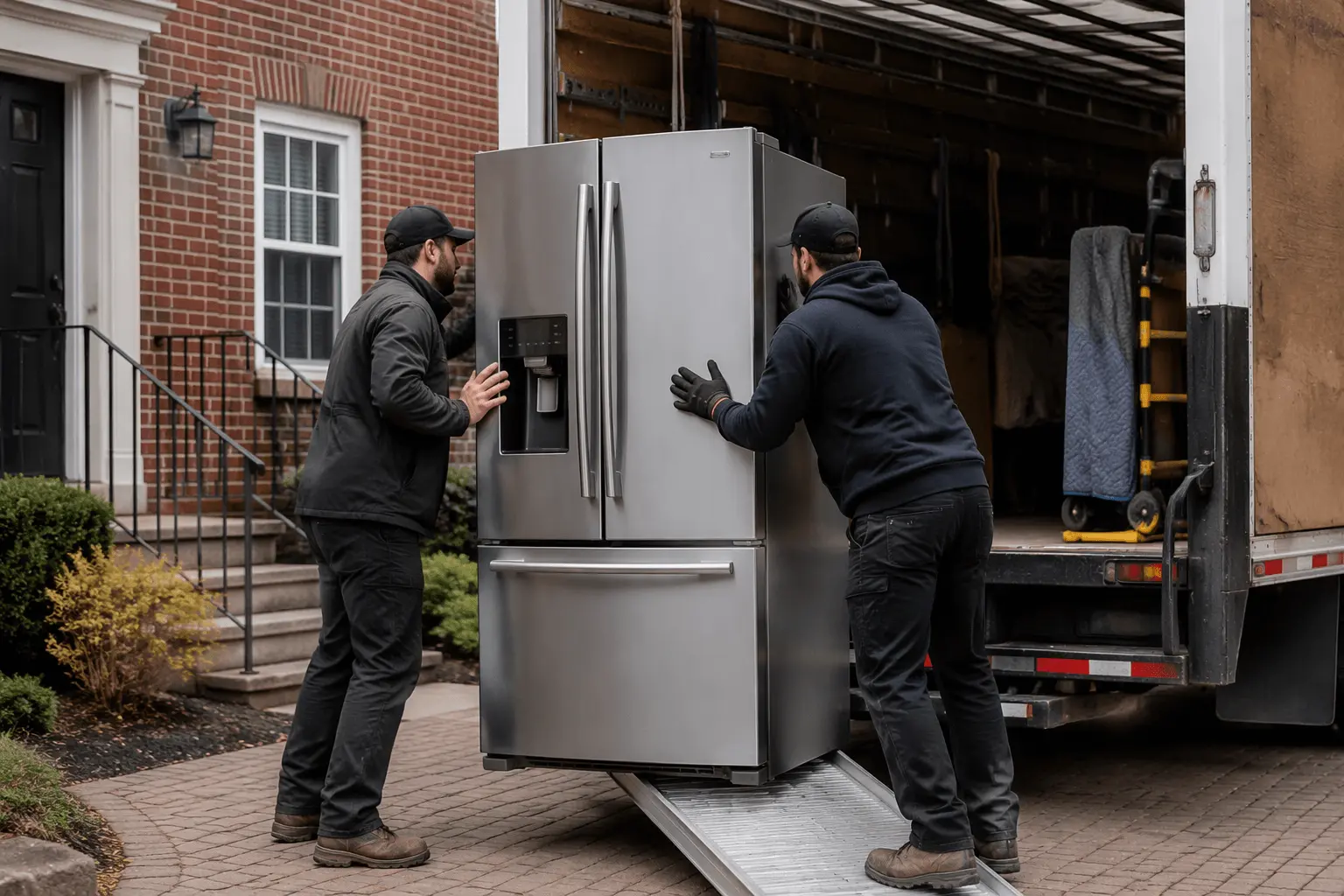
Appliance Disposal in Sacramento: Your Options for Getting Rid of an Old Unit
Retailer haul-away, city and utility programs, scrap yards and refrigerant rules: how to dispose of an old appliance in the Sacramento area.
Microwave Not Heating: Fuse, Door Switch and Parts
When a microwave runs but does not heat, the cause is usually a fuse, door switch or high-voltage part. Here is what to check…
Oven and Range Cooking Unevenly: Causes and Fixes
Hot spots, one side browning faster, or burnt bottoms: the usual causes of uneven oven heating and what to check first.