
Preventive Maintenance for Home Appliances: What to Do and How Often
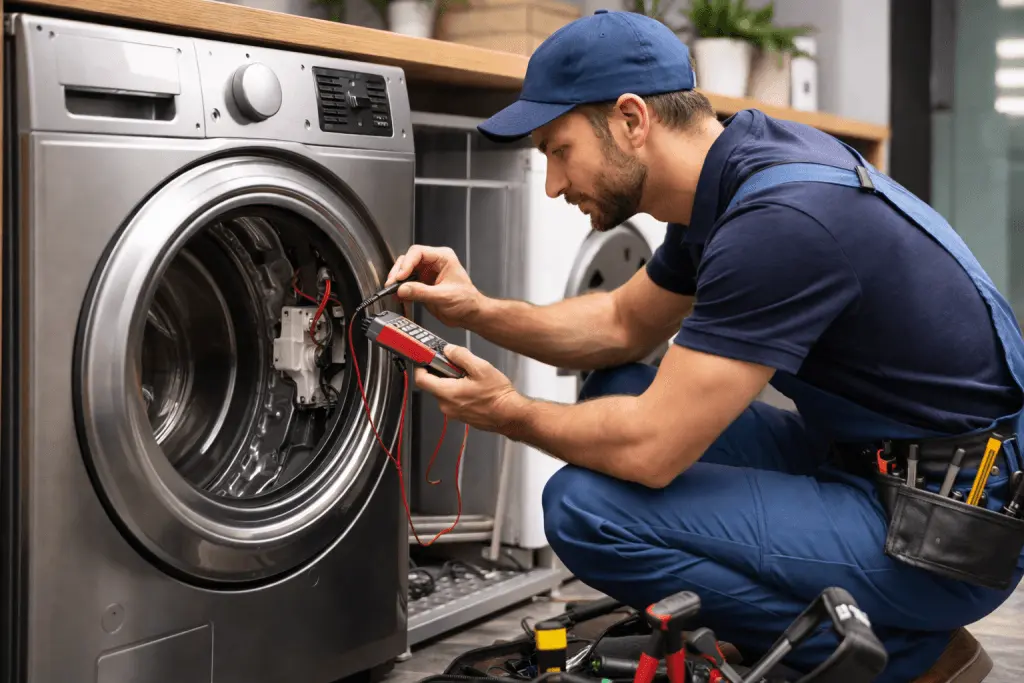
Preventive maintenance for appliances is mostly small, unglamorous jobs, and most breakdowns we see are not sudden. They build up from lint, grease, mineral scale, dust on coils or a worn seal that nobody looked at. A few minutes of attention at the right interval prevents a lot of that. Here is what is worth doing, what each job protects, and where to stop.
Table of Contents
Preventive maintenance for appliances: the safety rules
- Unplug the appliance or switch off its breaker before reaching into anything electrical.
- Check the owner’s manual for your model. It lists what the manufacturer allows you to clean.
- Never bypass or jumper a thermostat, fuse or safety switch. If one keeps tripping, something is wrong, and it needs a technician.
- For gas appliances, do not touch gas lines or valves. If you smell gas, leave, avoid switches and flames, and call the gas utility.
Refrigerator and freezer
A fridge runs all day, so it gets the most benefit from preventive maintenance for appliances.
- Every few months: wipe the door gaskets with warm water and check the seal. A dollar bill closed in the door should resist being pulled out. If it slides out easily, the seal may be worn.
- Twice a year: vacuum the condenser coils, found behind the bottom grille or on the back. Dust makes the compressor run longer. Pet hair makes this worse, so do it more often if you have animals.
- Twice a year: clean the drip pan if your model has an accessible one, and check that the drain hole at the back of the fridge compartment is clear.
- As the manufacturer states: replace the water filter. A clogged filter can slow the ice maker and the dispenser.
- Keep it reasonably full, but leave air gaps so cold air circulates.

Washer
- Monthly: wipe the door seal on a front loader and leave the door ajar between loads so it dries.
- Every month or two: clean the drain pump filter (usually behind a small panel at the bottom front). Put a towel and shallow tray down first. Coins, hair clips and lint collect here, and a blocked filter is a common cause of a washer that will not drain.
- Twice a year: check the inlet hoses for bulges, cracks or rust at the fittings, and make sure the machine is level. Replace old rubber hoses before they fail, or consider braided hoses.
- Use the right amount of detergent. Excess suds and residue build up and can cause odour and drain issues.
Dryer
- Every load: clean the lint screen.
- At least once a year: clean the vent duct from the dryer to the outside, and the vent hood. A clogged vent makes dryers slow and hot, and lint is flammable. The U.S. Fire Administration cites failure to clean as the leading factor in home clothes dryer fires.
- If clothes take more than one cycle to dry, a blocked vent is the first thing to check.
- Gas dryer: do not adjust the gas connections yourself.

Dishwasher
- Monthly: remove and rinse the bottom filter, and clear the drain basket.
- Check the spray arm holes for food bits and mineral scale. A toothpick clears them.
- Wipe the door gasket.
- If your water is hard, run a dishwasher cleaner or a vinegar cycle occasionally, according to the manual. Do not mix chemicals.
Oven and range
- Wipe spills when they are cool. Baked-on spills smoke and can damage surfaces.
- Check the door gasket on the oven for tears or gaps.
- On a gas range, watch the burner flames. They should be mostly blue and even. Yellow, uneven or sooty flames, or a gas smell, mean stop and call for service.
- Use the self-clean cycle sparingly and follow the manual. It runs very hot, and electronics and door locks can fail during it.

Microwave
Keep the interior and door seal clean, and never run it empty. Do not open the case. A microwave holds a high-voltage capacitor that can hold a dangerous charge even when unplugged, so internal work is for technicians only. Leave that out of your preventive maintenance for appliances list.
Simple schedule
This table pulls the preventive maintenance for appliances jobs above into one routine you can tape inside a cupboard door.
| When | What |
|---|---|
| Every load or week | Dryer lint screen, wipe spills, check for leaks under sinks and machines |
| Monthly | Washer filter and seal, dishwasher filter |
| Twice a year | Fridge coils, hoses, levelling |
| Yearly | Dryer vent duct, a general look at all door seals |
When maintenance is not enough
Preventive maintenance for appliances slows wear. It does not stop it. If you hear a new noise (see our guide to strange appliance noises), see water on the floor, feel unusual heat, or notice the appliance cycling oddly, get it looked at. Before summer, our pre-summer checklist for Sacramento homes adds a few extras, and if an old machine keeps breaking, this repair or replace guide can help you decide.
If an appliance fails despite good preventive maintenance for appliances, we repair refrigerators, washers, dryers, dishwashers, ovens and more; see refrigerator repair and washer repair. Book at /book/ or call (916) 582-7791.
Common questions
How often should I clean my refrigerator coils?
Twice a year is a good starting point, more often if you have pets or the fridge sits in a dusty or hot spot like a garage.
How often should a dryer vent be cleaned?
At least once a year, and sooner if clothes take longer than one cycle to dry. A clogged vent is a fire risk.
What should I clean on a washer?
The door seal monthly, the drain pump filter every month or two, and check the inlet hoses twice a year. Always unplug it first.
Is it worth paying for maintenance if nothing is broken?
Basic cleaning you can do yourself. A technician is worth calling when you notice a change such as new noise, leaks, longer cycles or poor cooling.
Related guides
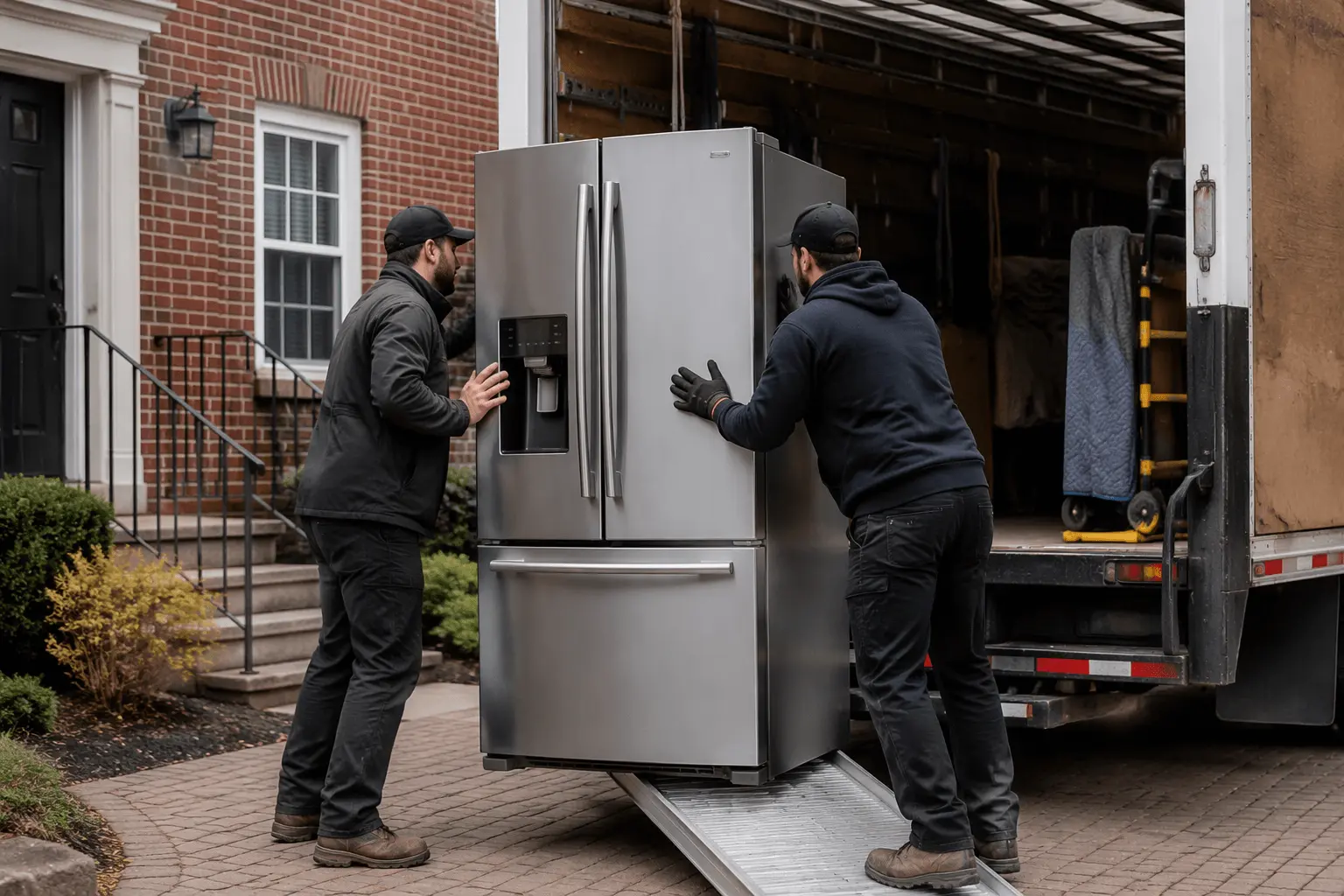
Appliance Disposal in Sacramento: Your Options for Getting Rid of an Old Unit
Retailer haul-away, city and utility programs, scrap yards and refrigerant rules: how to dispose of an old appliance in the Sacramento area.
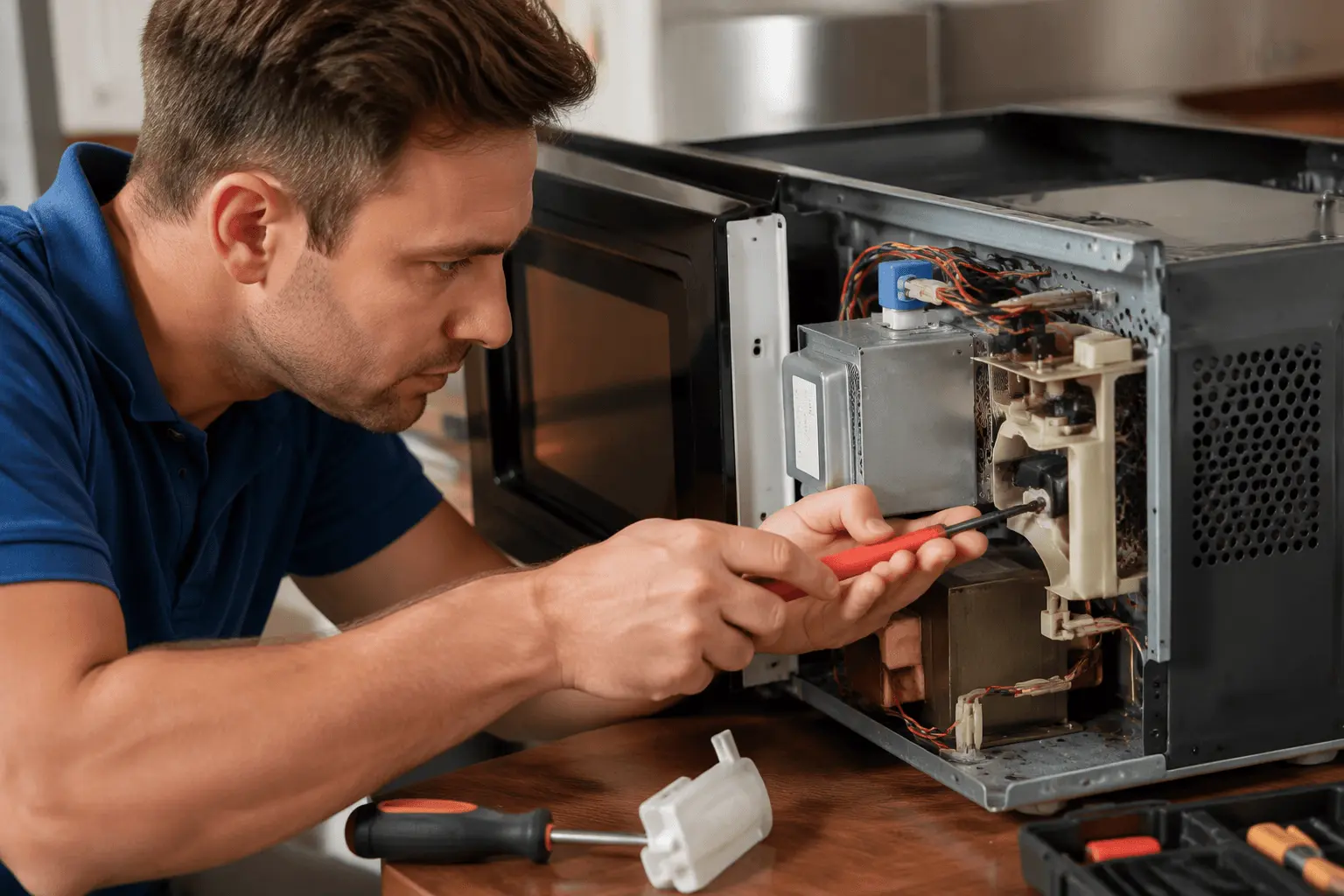
Microwave Not Heating: Fuse, Door Switch and Parts
When a microwave runs but does not heat, the cause is usually a fuse, door switch or high-voltage part. Here is what to check…
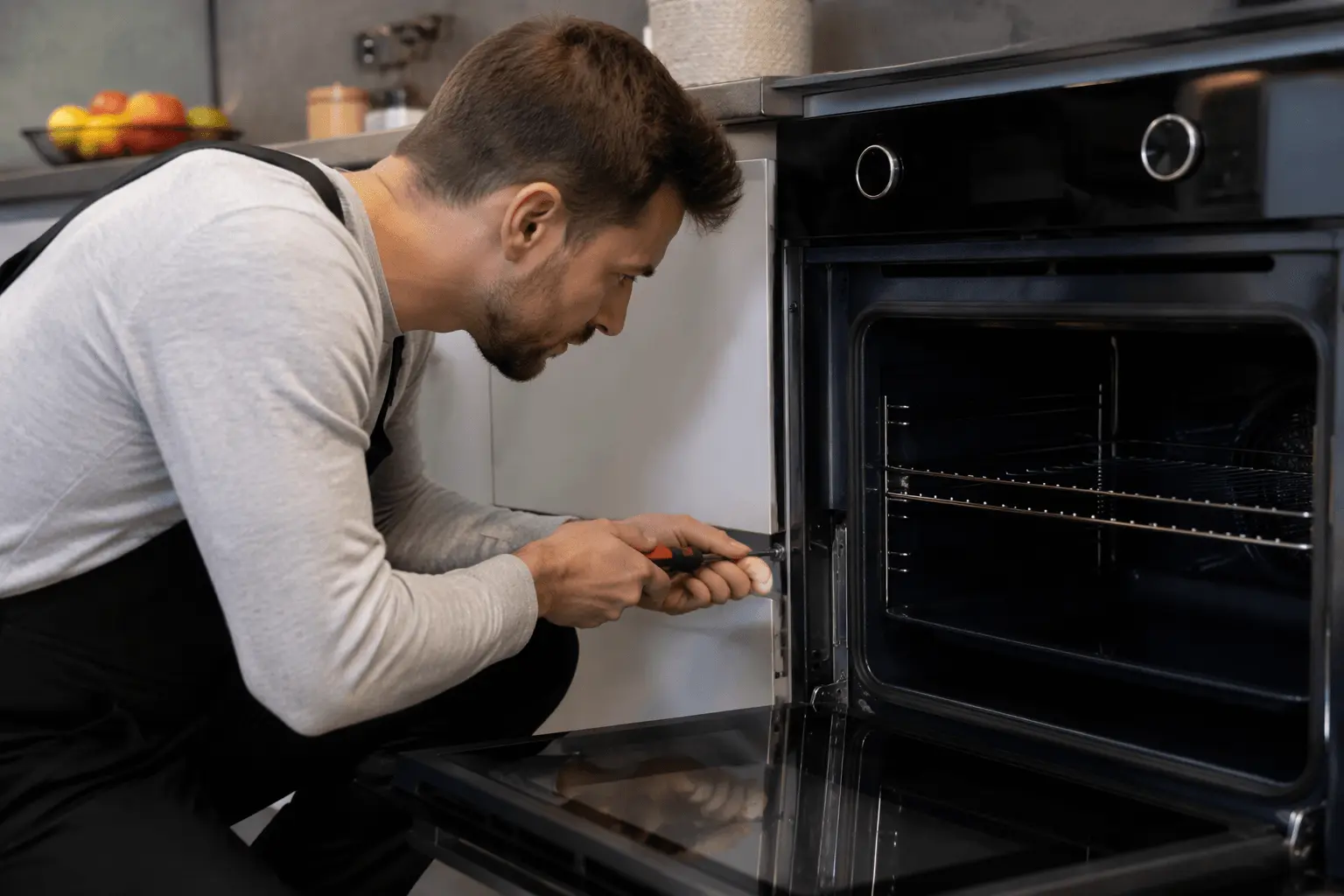
Oven and Range Cooking Unevenly: Causes and Fixes
Hot spots, one side browning faster, or burnt bottoms: the usual causes of uneven oven heating and what to check first.