Why Even New Appliances Can Break So Soon
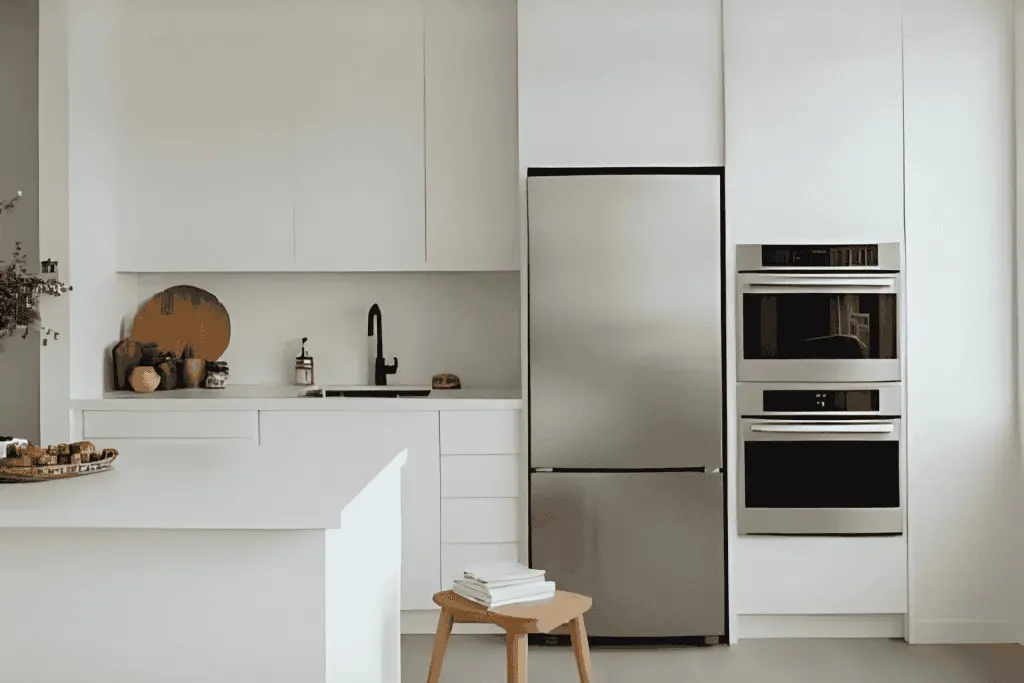
New appliances breaking early, in the first year or two, is frustrating but not mysterious: the reasons are fairly consistent. Modern appliances depend on electronics that older machines did not have, and a lot of early failures trace back to power, installation or setup rather than the machine itself. This article covers the usual causes, what you can check, and when to stop.
Table of Contents
1. Control boards and electronics
An older washer had a mechanical timer. A newer one has a circuit board that runs the motor, the water valves and the display, often with a touch panel. Boards are sensitive to moisture, heat and voltage spikes. A board that fails can make an appliance behave strangely: it will not start, it shows an error code, it stops mid-cycle, or buttons stop responding.
What you can try first: unplug the appliance for a few minutes, or switch off its breaker, then restore power. A reset can clear a software or sensor glitch. If the same fault returns, stop resetting it and have it diagnosed.
2. Sensors
Modern appliances sense things: water level, temperature, door position, load weight, drum speed, moisture. Each sensor is a small part that can fail, get dirty or send the wrong signal. A failed temperature sensor on a refrigerator or oven, for example, can cause overcooling or poor heating while everything else seems to work. A water level sensor can cause a washer to overfill or refuse to continue.
Because the symptom does not always point at the failed part, guessing and replacing parts is expensive. A technician tests the sensor and compares its reading with what it should be.

3. Power surges and dirty power
Lightning is the dramatic version. More common are the small ones: the grid switching, large motors starting nearby, flickering during hot weather demand, a loose connection at the outlet or panel. The electronics inside a modern appliance take these hits. A single large event can kill a board, and repeated small ones can wear out components.
What helps:
- Plug appliances straight into a properly grounded outlet, not an old extension cord.
- Check the manual before using a power strip or surge protector with a major appliance. Some manufacturers want them plugged directly into the wall.
- Consider a whole-house surge protector installed by a licensed electrician if you see frequent flickers or lose electronics.
- After an outage, give the refrigerator a few minutes before it restarts.
Surge damage is a common reason behind new appliances breaking early, such as a refrigerator or washer that fails right after a storm or outage. The U.S. Fire Administration also advises plugging major appliances straight into a wall outlet. Our summer checklist mentions this for Sacramento heat waves.
4. Installation errors
Many cases of new appliances breaking early turn out to be a machine that is fine but wrongly set up. Common issues:
- Not level. Washers bang and shake, dishwashers leak, and fridges run noisily or leave doors that do not close.
- Shipping bolts or packing left in. A washer that thumps violently on spin may still have its transit bolts.
- Kinked or pinched hoses on a washer, dishwasher or ice maker supply.
- Wrong or loose electrical connection, or the wrong outlet for the appliance.
- Dryer venting. Long, crushed or plastic foil duct causes overheating and slow drying.
- No clearance around a refrigerator, so it cannot shed heat.
- Gas connections not checked by a qualified installer.
Proper installation is part of the machine lasting. See appliance installation.
5. Smart features and connectivity
Wi-fi modules, apps and touchscreens add parts and software. Problems we hear about include a unit that stops responding after a firmware update, one that will not reconnect to the network, or an app showing an error that has nothing to do with the hardware. If your appliance works normally without the app but not with it, the issue may be the connection. Check your router, the appliance’s network settings and the manufacturer’s support page. If the appliance itself misbehaves, treat it like any electronic fault. Smart features are a quiet contributor to new appliances breaking early, mostly through software rather than hardware.
6. Use and environment
Habits and surroundings also feed new appliances breaking early:
- Overloading a washer or dryer strains bearings and belts.
- Too much detergent leaves residue and confuses sensors.
- Hard water scales heating elements, spray arms and valves.
- Heat. A fridge in a hot garage is the common example.
Our maintenance guide lists the simple habits that cut these causes of new appliances breaking early.

Are new appliances breaking early a manufacturing defect?
Sometimes. Manufacturing faults do occur, and a unit that fails soon after purchase may be covered by the manufacturer or retailer. Read the paperwork that came with it. We are an independent repair company, not affiliated with any appliance brand, so we cannot speak for any warranty. Check the terms with the seller or manufacturer before authorising a paid repair, and keep your receipt.
What to do when a new appliance acts up
- Write down the symptom and any error code, and take a photo.
- Check the basics: power, breaker, door closed, water supply valves open, level, no kinked hoses.
- Reset once by cutting power for a few minutes.
- Read the manual for the error code. Many are user-fixable, such as an unbalanced load.
- If it repeats, or you see smoke, sparks, a burning smell or leaks near wiring, stop and call. Never bypass a safety switch or thermostat.
If new appliances breaking early has you weighing repair against replacement, read repair or replace.
If you would like a technician to look at it, book at /book/ or call (916) 582-7791. We are open Monday to Friday 8 to 6 and Saturday 8 to 4, and we offer the next available window. The service call is $80, paid at your home or with PayPal or a credit card.
Common questions
Why did my brand new appliance stop working?
Common causes are a failed control board or sensor, a power surge, or an installation problem such as unlevel feet, kinked hoses or shipping bolts left in.
Can a power surge damage a refrigerator or washer?
Yes. The electronic control boards are the most vulnerable parts. Plug directly into a grounded outlet and consider a whole-house surge protector for frequent flickers.
Do smart appliances break more often?
They have more parts that can fail, such as boards, sensors and network modules. Many problems are only the connection and clear up with a router or app fix.
Will you repair a new appliance still under warranty?
We are an independent company and cannot speak for any brand's warranty. Check your coverage with the seller or manufacturer before authorising a paid repair.
Related guides
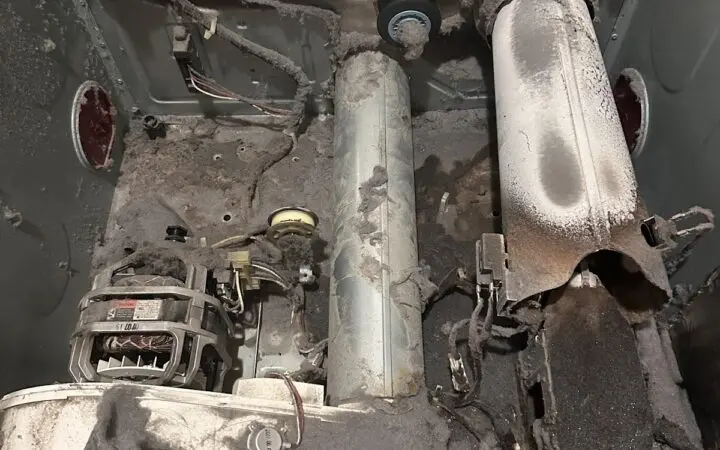
Installing a new dryer: what to check and what a pro does
What to check before installing a dryer: power or gas type, cord, vent, space and leveling, and the parts best left to a professional.
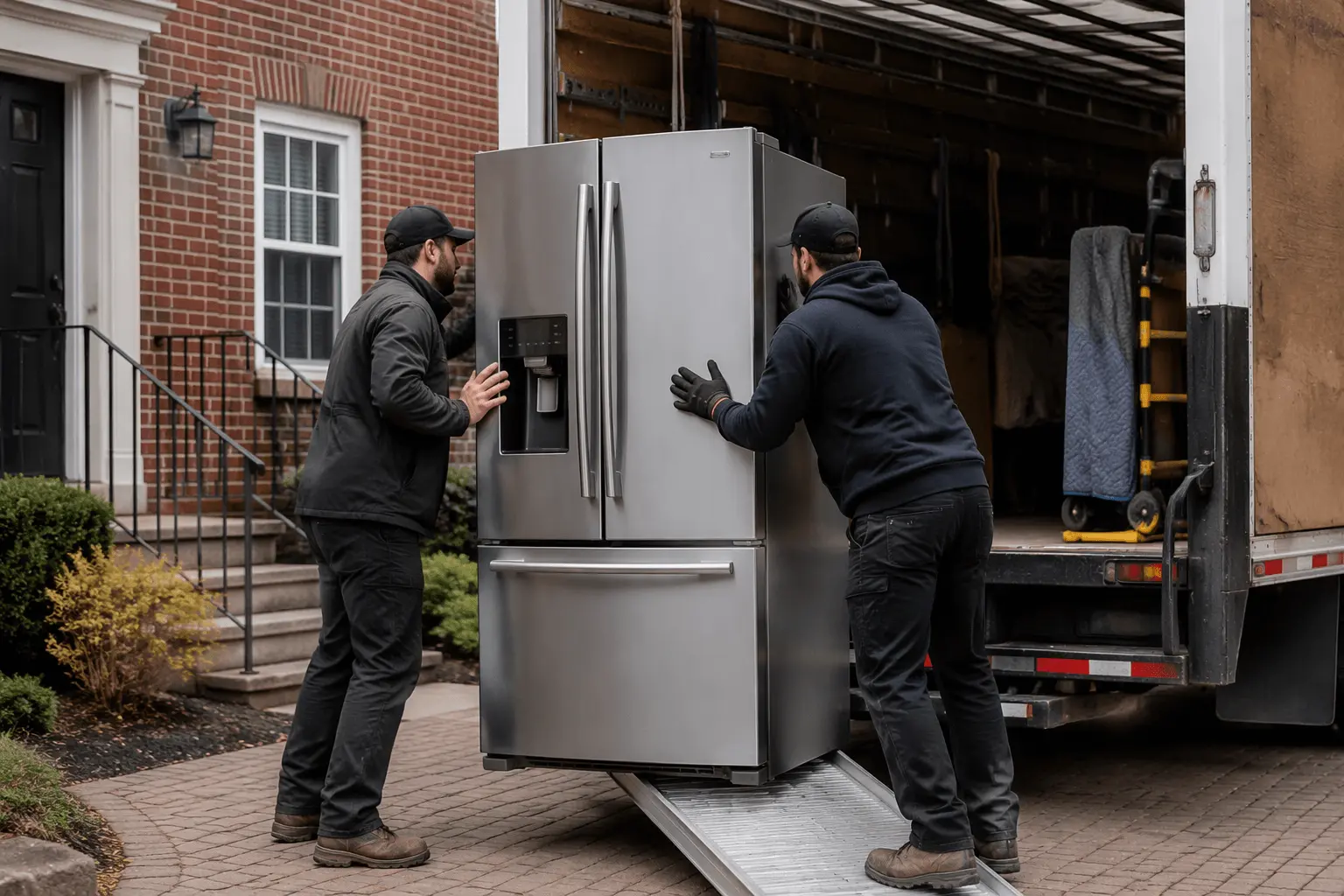
Appliance Disposal in Sacramento: Your Options for Getting Rid of an Old Unit
Retailer haul-away, city and utility programs, scrap yards and refrigerant rules: how to dispose of an old appliance in the Sacramento area.
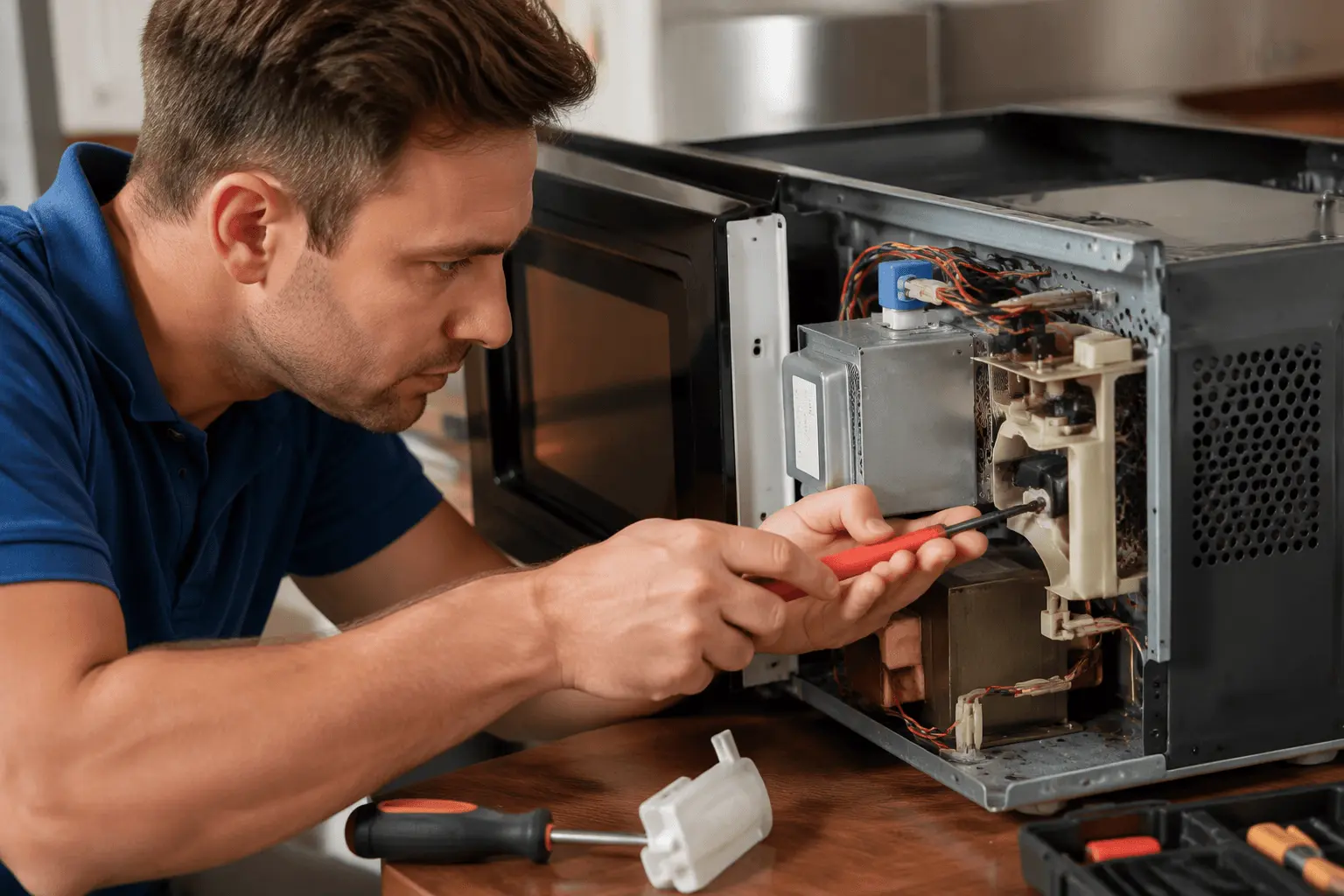
Microwave Not Heating: Fuse, Door Switch and Parts
When a microwave runs but does not heat, the cause is usually a fuse, door switch or high-voltage part. Here is what to check…