
Oven and Range Installation: Sizes, Power, Gas and Safety Checks
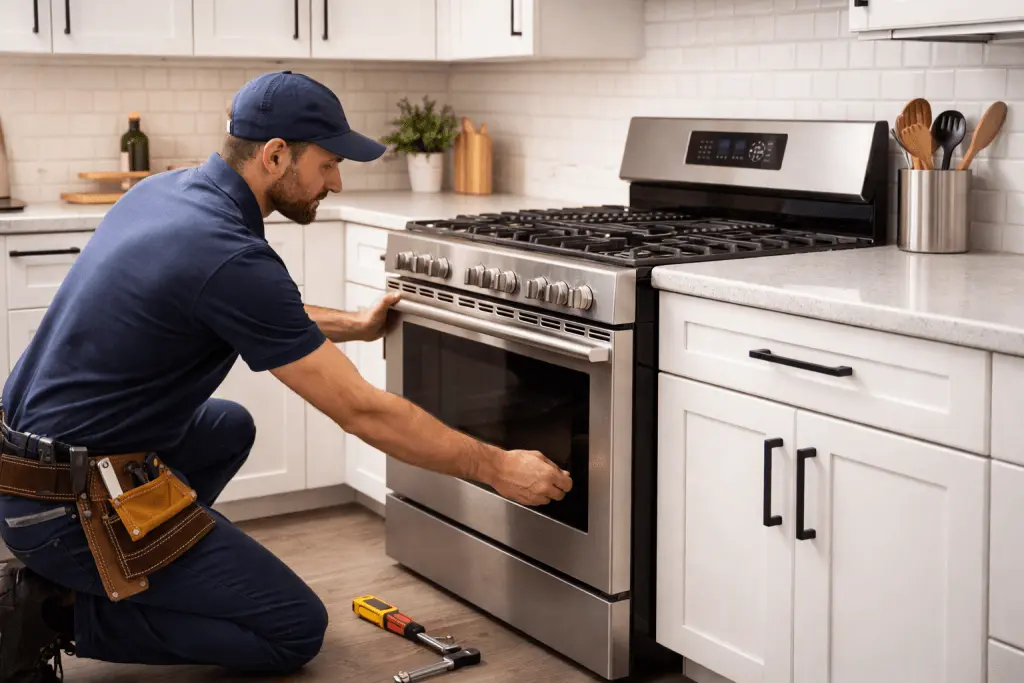
Most oven range installation trouble comes from details that could have been checked a week earlier, and a new oven or range is a big purchase. This guide covers what to confirm in your kitchen in Sacramento and the surrounding area. It does not give instructions for gas connections, which should be done by a qualified professional.
Know what you have
Before any oven range installation, confirm which type you are replacing, since each needs different connections:
- Freestanding or slide-in range. The oven and cooktop in one unit. Typically 30 inches wide.
- Cooktop plus wall oven. Two separate pieces, each with its own cutout and electrical supply.
- Electric or gas. Check the wall behind and beside the unit for a gas shutoff, a 240-volt outlet or both. Dual-fuel ranges need both.
Measure the space
Measure the width of the opening between cabinets, the depth, and the height of the countertop. Most ranges are 30 inches wide and about 36 inches tall, with adjustable feet. Slide-in models sit flush with the counter and have no back guard. A freestanding model next to a slide-in cutout leaves gaps. Wall ovens come in common widths, and the cutout must match the new oven’s published dimensions closely, so measure width, height and depth and compare them with the installation sheet. Do not rely on a nominal size alone. A cutout that is off by even a little can stop an oven range installation until the cabinet is modified.
Power for an electric oven or range
Electric ranges need a dedicated 240-volt circuit. Check the nameplate on the new range for the amperage and match it to the breaker and the receptacle. Modern installations use a four-wire cord and a matching four-prong outlet, and older homes may have a three-prong outlet. The cord and outlet must match, and changing wiring is a job for an electrician. Turn off the breaker before anyone touches the outlet. A wall oven is often hardwired through a junction box, with the same rule.
Gas range basics
A gas range needs a shutoff valve within reach, a flexible connector that is rated for the job and an electrical outlet for the igniters and clock. Gas hookup, leak testing and any conversion for the fuel type are work for a qualified professional. If you smell gas at any time, leave the house, do not use switches or flames and call the gas utility. Do not tighten or loosen gas fittings on your own.
Anti-tip bracket
Every freestanding and slide-in range should be installed with an anti-tip bracket, which keeps the range from tipping forward if someone stands on an open oven door. It must engage the leveling leg or the rear of the range. Check it again if you move the range later. It is a common item to skip in an oven range installation, and an important one to ask about. The U.S. Consumer Product Safety Commission’s range tip-over safety alert explains how to check that a range is held by its bracket.
Clearances and ventilation
Check the distance between the cooktop and the range hood or cabinet above it, as given in the installation sheet. Cabinets and hoods that are too low are a fire risk and may void the instructions. Gas ranges especially need a working vent hood. Maintain the side clearances to combustible materials listed in the manual.
Floor and path
Measure doorways, halls and stairs. A range is heavy. Protect the floor with cardboard. If the old range sat on a floor that has been replaced since, the new range may sit higher or lower than the counter, so check the height after leveling.
Day-of checklist for oven range installation
These are the points to confirm on the day of an oven range installation, before the installer leaves:
- The old range is disconnected and the gas valve is off, done by the installer.
- The new unit is leveled and the anti-tip bracket is fastened.
- Gas connections are leak-tested by the installer, not by feel.
- The oven and each burner is tested.
- You are shown where the shutoff valve and breaker are.
Choosing first
If you have not yet picked a model, read how to choose the right oven to match size and fuel to your kitchen. If something does not work after install, see common oven problems.
We handle oven range installation through appliance installation and repairs through range and stove repair. Book at /book/ or call (916) 582-7791, and ask about the next available window.
Common questions
What is the standard width of a range?
Most are 30 inches wide. Always check your model's installation sheet and measure your opening.
Do I need a special outlet for an electric range?
Yes, a dedicated 240-volt circuit with a receptacle that matches the range's cord. Wiring changes should be done by an electrician.
What is an anti-tip bracket?
A bracket that prevents a range from tipping forward. It should be installed with every freestanding or slide-in range.
Can I connect a gas range myself?
We do not recommend it. Gas connection and leak testing should be done by a qualified professional.
Related guides
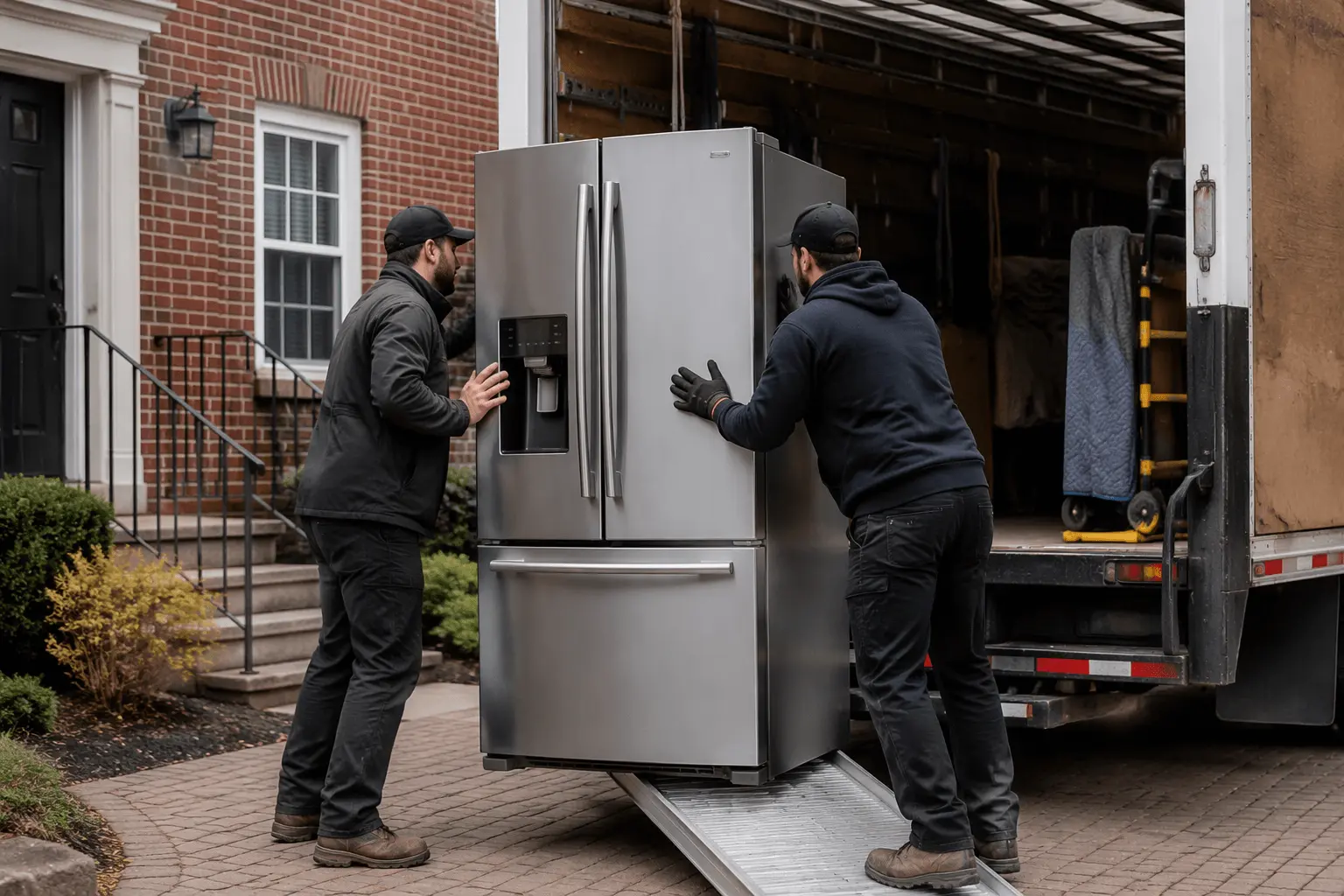
Appliance Disposal in Sacramento: Your Options for Getting Rid of an Old Unit
Retailer haul-away, city and utility programs, scrap yards and refrigerant rules: how to dispose of an old appliance in the Sacramento area.
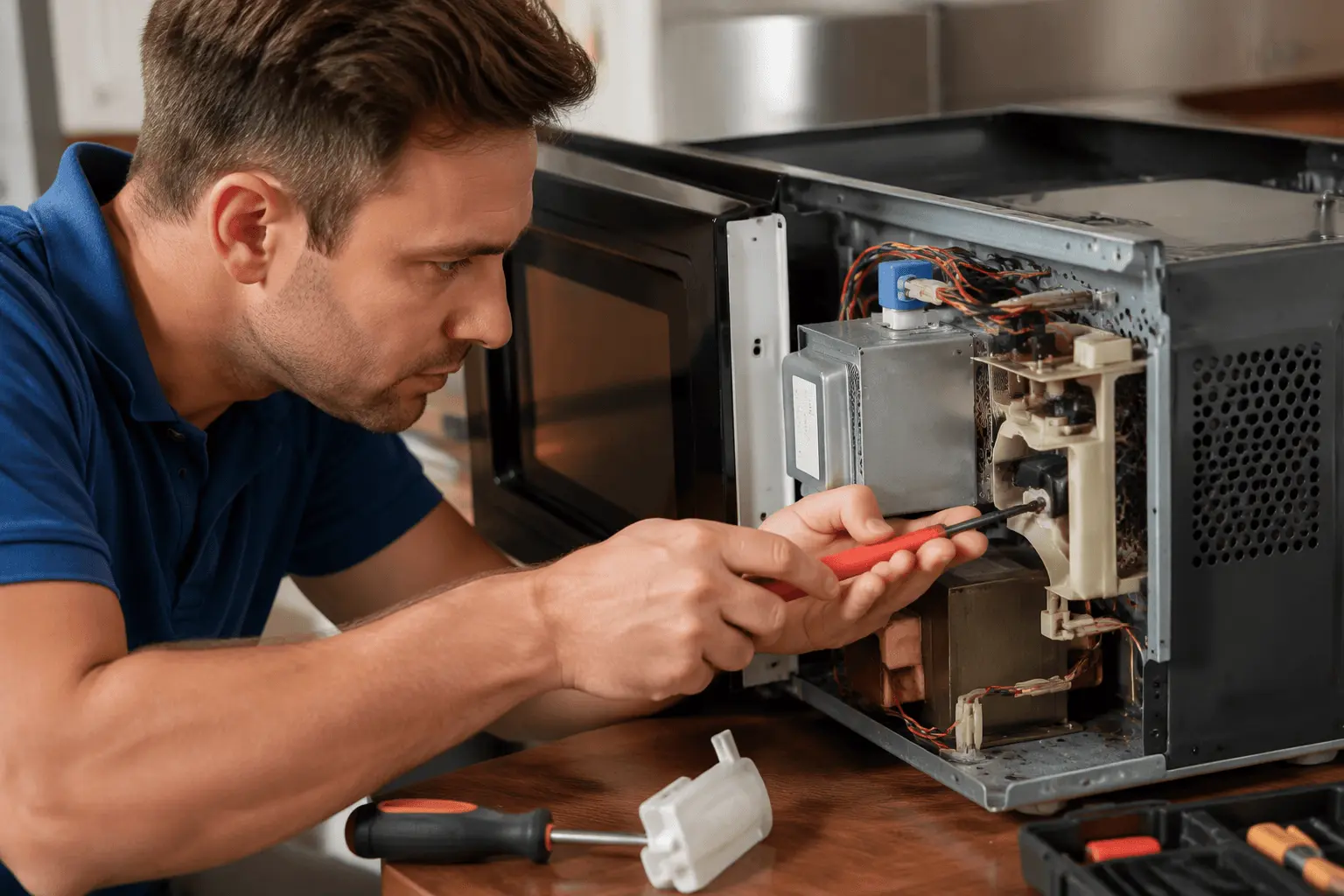
Microwave Not Heating: Fuse, Door Switch and Parts
When a microwave runs but does not heat, the cause is usually a fuse, door switch or high-voltage part. Here is what to check…
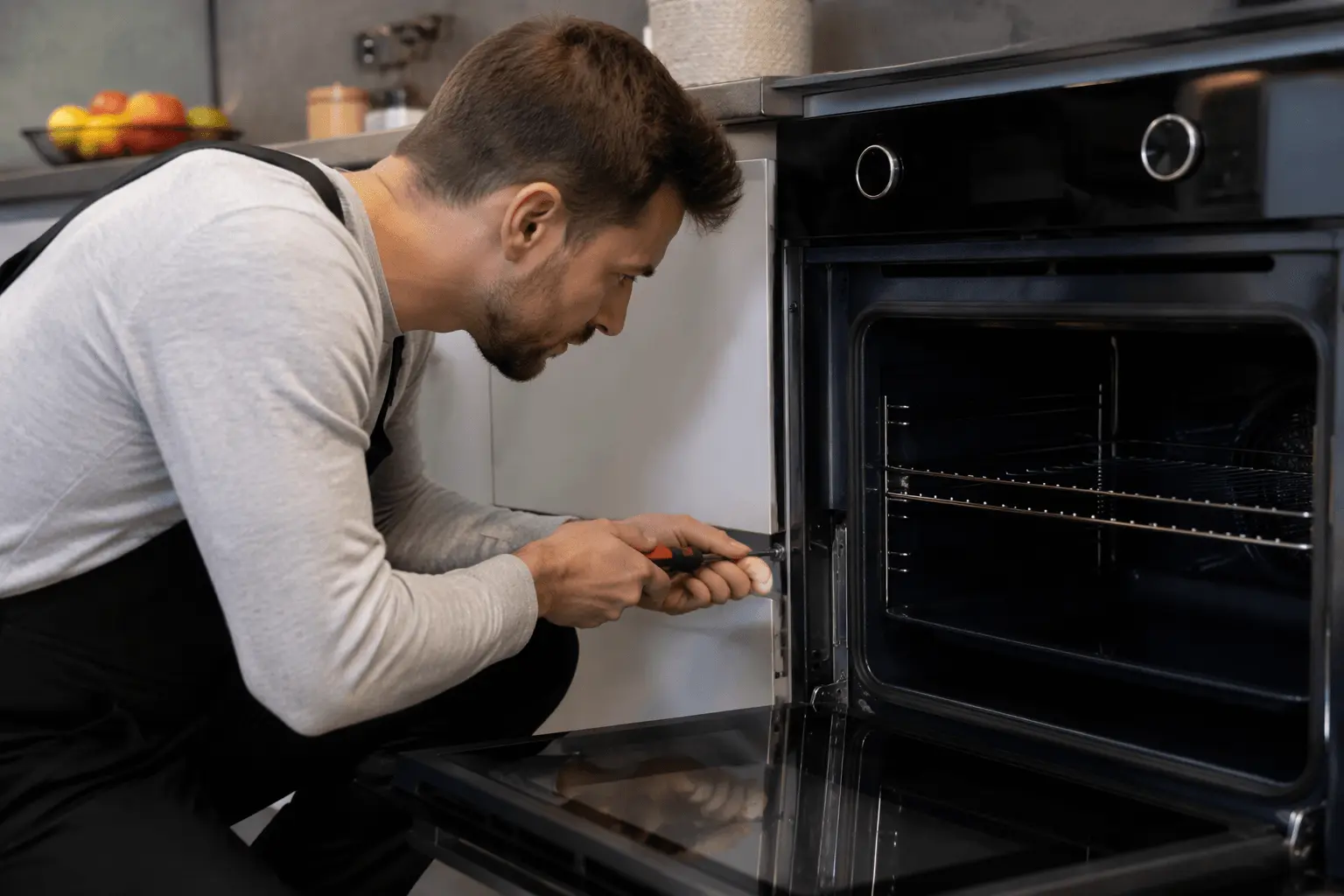
Oven and Range Cooking Unevenly: Causes and Fixes
Hot spots, one side browning faster, or burnt bottoms: the usual causes of uneven oven heating and what to check first.