
Refrigerator Maintenance: Coils, Cleaning and Hot-Weather Efficiency
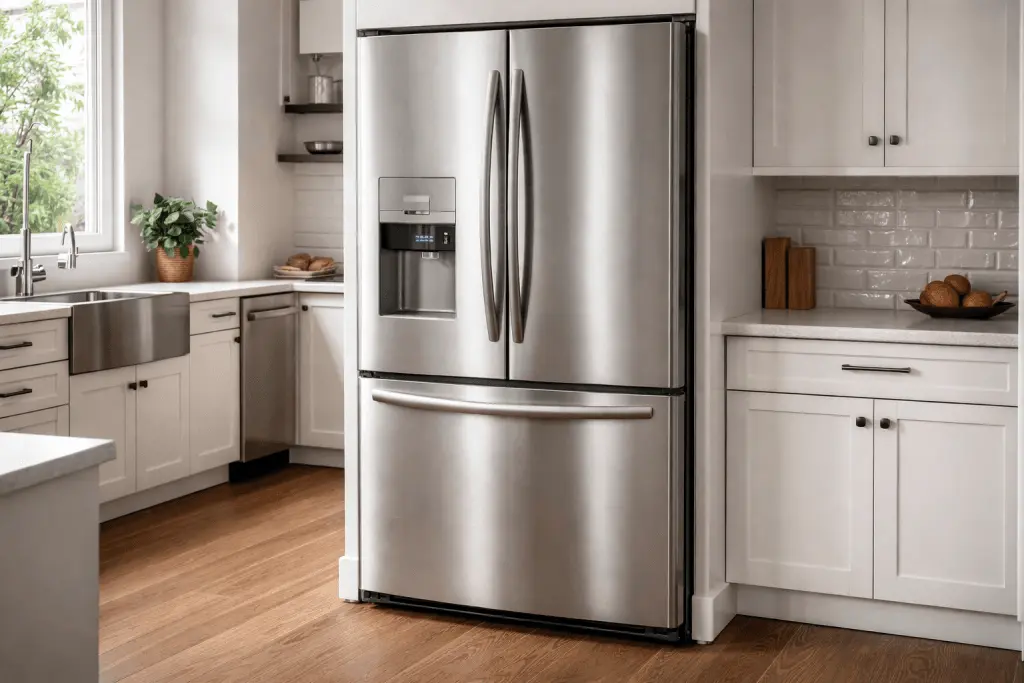
Refrigerator maintenance is light work for an appliance that runs all day, every day. A small amount of upkeep once or twice a year keeps it from working harder than it needs to. None of this takes tools beyond a vacuum and a brush, and it is easy to do on a weekend morning.
Table of Contents
Why summer makes refrigerator maintenance matter more
The fridge pushes heat out through its condenser coils into the room. The hotter the room, and the dirtier the coils, the longer the compressor has to run to keep up. In a Sacramento summer, a fridge in a garage or an enclosed porch is under the most strain, because the air around it can be well above normal room temperature. If you have a second fridge outside, give it the most attention.
Step 1: Clean the condenser coils
- Unplug the fridge.
- Find the coils. On many models they are behind the front grille at the bottom; on others they are on the back panel.
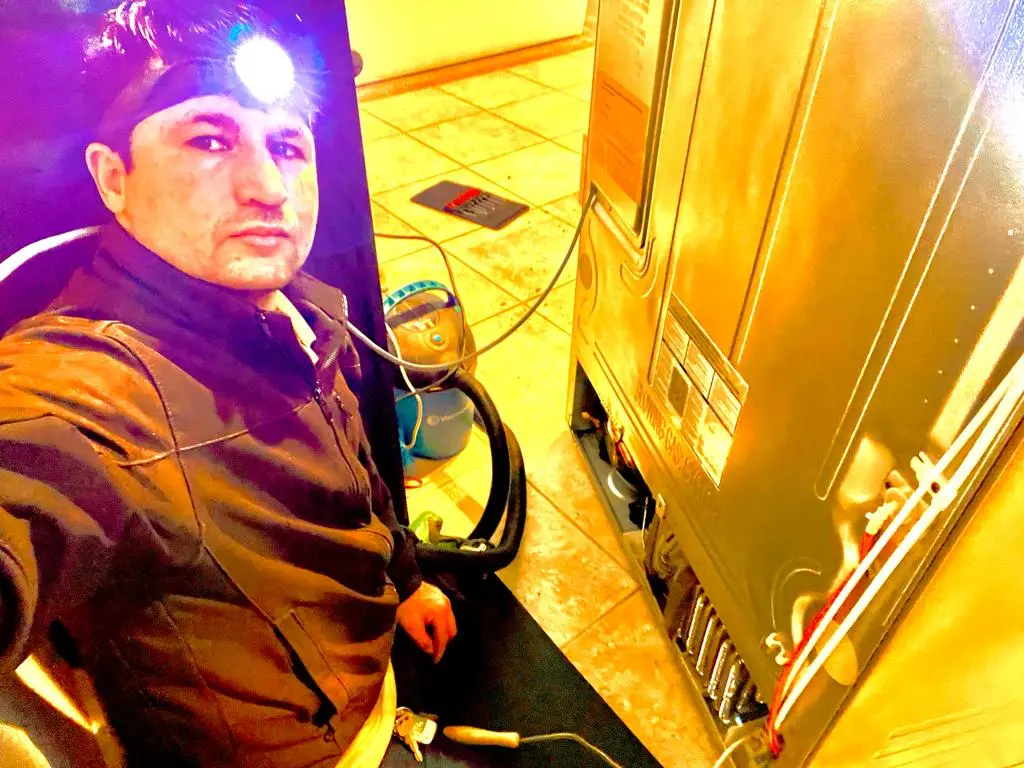
- Remove the grille, and use a long coil brush to loosen dust. Vacuum it up with a brush attachment.
- Vacuum the floor beneath and behind the fridge, and around the fan if one is exposed.
- Replace the grille, then plug the fridge back in.
Most manufacturers suggest this part of refrigerator maintenance once or twice a year. A house with pets or a lot of dust may need it more. Do not use water on the coils, and do not bend the fins. If your coils are on the back and the fridge is heavy, check that the supply line for the ice maker will reach before you pull the unit out.
Step 2: Check the door gaskets
Gaskets are easy to forget in refrigerator maintenance. Wipe the rubber seals with warm water and a little dish soap. Dirt and sticky spills stop them sealing. Then do the paper test: close the door on a strip of paper at several points. If it slides out without any pull, the seal is weak there. A small gap lets in warm, humid air, which means more frost and a longer-running compressor. Gaskets that are torn or stiff should be replaced.
Step 3: Check the defrost drain and pan
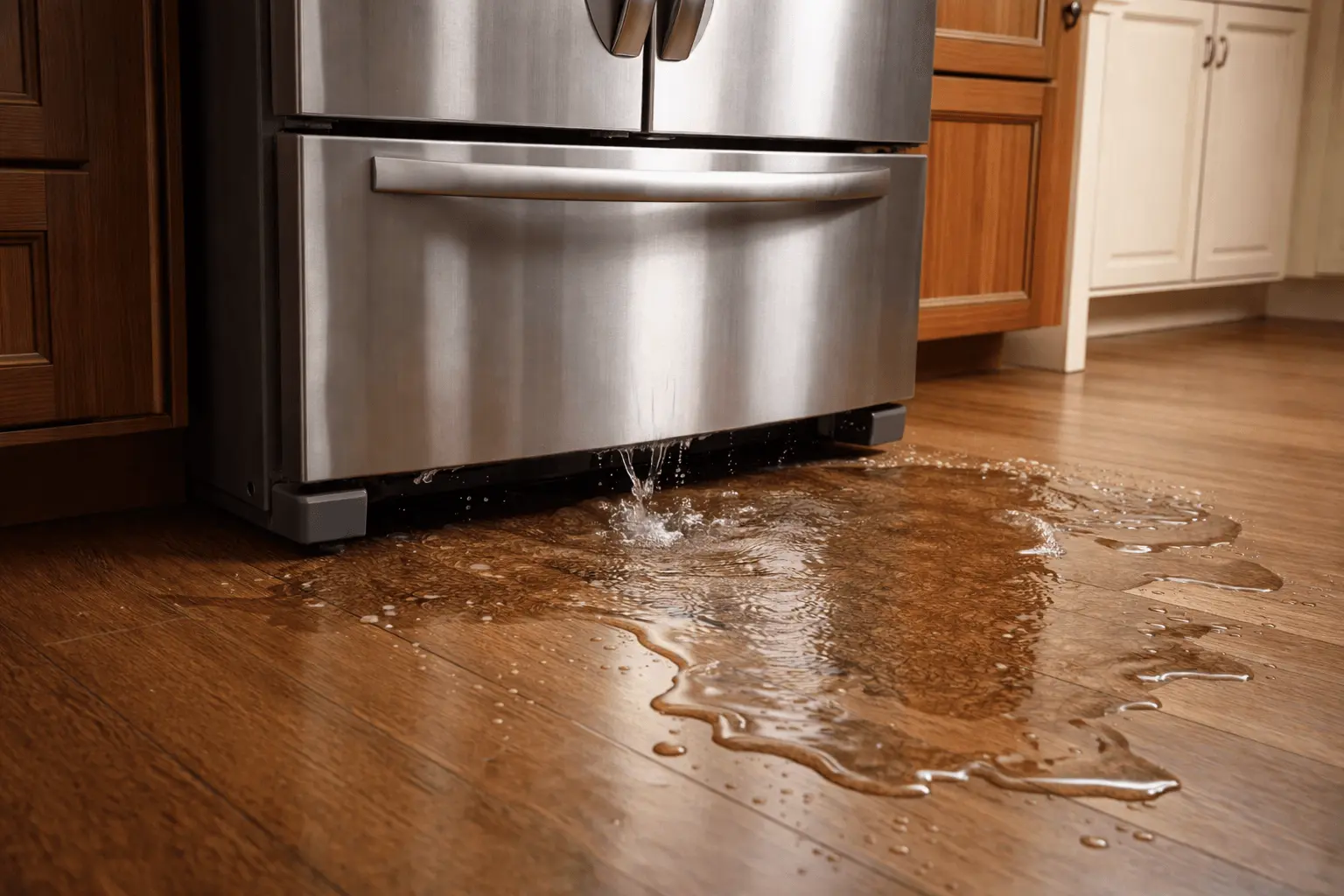
Look at the back wall of the freezer. If there is ice around the drain hole, or the bottom of the fridge has water pooling, read refrigerator leaking water before it becomes a puddle on your floor. The drain pan under the fridge should be dry and in place.

Step 4: Set the temperatures properly
- Fridge: 37°F is a sensible target; 40°F or below is the food-safety limit.
- Freezer: 0°F.
Colder than that wastes energy and can freeze lettuce. Check with a thermometer rather than relying on the dial numbers, which are often relative scales. The U.S. Department of Energy’s Guide to Kitchen Appliances has more on energy-saving habits for refrigerators and freezers.
Step 5: Use the space well
- A fridge that is full holds temperature better than an empty one, but do not pack it so that vents are blocked. Keep air gaps around the vents.
- Let hot food cool a little on the counter before it goes in, but do not leave perishables out for more than two hours.
- Do not store the door shelves with the most perishable items, since the door warms every time it opens.
- Leave a few inches of clearance at the back and sides, and more at the top, if your manual calls for it.

Step 6: Water filter and ice
If your fridge has a filter, replace it on the schedule in the manual. Filter changes are a small but regular part of refrigerator maintenance. A clogged filter slows the dispenser and the ice maker and can lead to under-filled ice trays. Our ice maker maintenance article covers cleaning the ice side.
Signs the fridge is working too hard
- It runs almost non-stop and the back or sides feel very warm.
- The freezer frosts up more than it used to.
- The food at the back freezes while the front is warm.
- The motor is louder or the fan rattles.
Any of these means your refrigerator maintenance routine did not solve it and something is wearing out. See refrigerator runs constantly for the next step. A broader schedule for the rest of the kitchen is in preventive maintenance for appliances.
What not to do
Some habits do more harm than good in refrigerator maintenance. Do not spray cleaner into the vents, do not pry at a frozen drawer, and do not defrost the freezer with a hairdryer near the wet floor. If anything inside the back panel needs attention, that is for a technician.
If the coils are clean, the gaskets seal and it still struggles, our refrigerator repair page explains what we look at.
If you would rather have it looked at, book at /book/ or call (916) 582-7791 and ask for the next available window. The service call is $80, paid at your home or with PayPal or a credit card.
Common questions
How often should I clean refrigerator coils?
Once or twice a year is the usual advice. Do it more often if you have pets or the fridge sits in a dusty garage.
What temperature should my fridge be?
About 37 degrees F, and never above 40. The freezer should be at 0 degrees F.
Does an empty fridge use more energy?
A fridge with some food in it holds its temperature better, but packing it so tight that air cannot move works against you.
Is it safe to vacuum behind the fridge?
Yes, with the fridge unplugged. Use a soft brush and do not bend the coil fins.
Related guides
Refrigerator Leaking Water: Causes and Fixes
Where the water pools tells you where it comes from. Check the defrost drain, water line, filter and drain pan in a safe order.
Refrigerator Not Cooling: Causes and Fixes
A step-by-step order for checking a refrigerator that has stopped cooling, what each symptom usually means, and when to stop and call a technician.

Refrigerator Runs Constantly: What to Check
Is your refrigerator running all the time? Learn what is normal, what to check in order, and which signs mean it is time to…